


Professor Kalyan Singhal
Founder and Editor-in-Chief
Merrick School of Business, University of Baltimore,
1420 N . Charles Street, Baltimore, MD, U.S.A.
E-mail: ksinghal@ubalt.edu

Professor Subodha Kumar
Co-Editor-in-Chief
Fox School of Business, Temple University,
Philadelphia, PA, U.S.A.
E-mail: subodha@temple.edu

Professor Jaya Singhal
Executive Editor
Merrick School of Business, University of Baltimore,
1420 N. Charles Street, Baltimore, MD, U.S.A.
DEPARTMENT INFORMATION
ALL DEPARTMENTS
BEHAVIORAL OPERATIONS
Mission Statement
The department seeks papers that further our understanding of operations and its best practices by explicitly accounting for empirically observed influences of human behavior on operations. For a paper to be relevant for our department, it needs to be (a) relevant for operations managers, (b) focused on individuals or small groups of individuals, and (c) allow for the possibility of non-rational behavior of individuals.
Behavioral issues naturally arise in many operational contexts. Relevant behavioral influences can originate from a variety of sources, including stakeholders such as suppliers, employees, customers, workers, regulators, and managers. Possible relevant contexts include manufacturing and service processes, supply chain management, procurement, revenue management, product development, human-AI interaction, and technology management.
The department is particularly interested in research that uncovers behavioral regularities relevant to operational settings, provides a theory on how these regularities affect operational performance, or examines the effectiveness of alternative institutional mechanisms or tools in improving operational performance. The department is open to a broad range of methodologies, including laboratory experiments, field studies, system dynamics, and analytical models of human behavior. The chosen method should be well-motivated and executed with the highest rigor. Empirical studies that rely primarily on unincentivized choice or judgment data need to justify why incentivizing participants in their research was not feasible.
The review process is dedicated to providing both fast and accurate feedback. We encourage focused papers and consider efficient use of page space necessary for publication. Novel ideas must be supported with data and arguments, but are granted some leeway. Papers must be well written with a clear statement of their contribution to theory, practice, or institutional design.
Departmental Editors
Professor Gary Bolton
University of Texas at Dallas
gbolton@utdallas.edu
Professor Enno Siemsen
University of Wisconsin–Madison
esiemsen@wisc.edu
Senior Editors
John Aloysius, University of Arkansas
Kay-Yut Chen, University of Texas at Arlington
Ernan Haruvy, McGill University
Kyle Hyndman, University of Texas at Dallas
Xiaoyang Long, University of Wisconsin–Madison
Anton Ovchinnikov, Queen's University
John Sterman, Massachusetts Institute of Technology
Jordan Tong, University of Wisconsin-Madison
Yaozhong Wu, National University of Singapore
DIGITAL PLATFORMS, INNOVATIONS, AND TRANSFORMATIONS
Mission Statement
Production and Operations Management practices are undergoing a dramatic transformation because of the emergence of new digital technologies, platform strategies, and business models. The Digital Platforms, Innovations, and Transformations (DPIT) department focuses on the deployment of platforms, data-driven innovations, and allied business models and/or organizational transformations for managing operations for improved sustainability and overall performance improvement. This improvement may be associated with either shorter-term business model innovations or longer-term digital and physical infrastructure growth. We encourage path-breaking papers that engage with phenomena that include the incorporation of new digital technologies (e.g., artificial intelligence), human-centered design, radical and significant innovations, mechanisms, market design, and transformations that affect the operations of firms, and the experiences of and outcomes for users, customers, suppliers, employees, and ecosystem stakeholders.
We are interested in novel papers that use a broad range of methodologies, including analytical models, data analysis, field experiments, qualitative analysis, behavioral theory, and computer simulation. Papers must provide significant and managerially relevant contributions to important research questions. Contributions must be clearly articulated in the paper, including their impact on both theory and practice and should be significantly beyond minor extensions to existing work. Papers must be well-written, well-motivated, and executed with the highest rigor. We encourage authors to consider other outlets or departments where their work may be a better fit because of domain or methodology relevance. We will swiftly reject or redirect papers based on the above screening criteria while considering the fit with our department. Papers that emphasize platforms should make a significant contribution to both the platform and operations literature, even though we recognize that disciplinary boundaries are malleable and forever expanding.
Future research opportunities can be mapped in terms of the nature of technologies (mature versus emerging) and types of operations management (OM) issues (mature versus emerging). We call for studies that emphasize either new technologies applied to mature OM areas of inquiry, such as how to optimize supply and demand, or new technologies applied to emerging OM areas, such as sustainability or resilience. We also welcome studies that address frontier OM agenda research questions such as, how do emerging technologies help with key operations goals? Having said this, we welcome fundamental contributions to existing research areas.
Departmental Editors
Professor Nitin Joglekar
Villanova University
nitindra.joglekar@villanova.edu
Professor Sunil Mithas (Empirical Methods)
University of South Florida
smithas@usf.edu
Professor Geoffrey G. Parker (Analytical Modeling)
Dartmouth College
geoffrey.g.parker@dartmouth.edu
Senior Editors
Edward G. Anderson Jr., University of Texas at Austin
Jian Chen, Tsinghua University
Ruomeng Cui, Emory University
Amitava Dutta, George Mason University
Burcu Tan Erciyes, University of New Mexico
Kunsoo Han, McGill University
Kejia Hu, Oxford University
Nina Huang, University of Miami
Che-Wei Liu, Arizona State University
Antonio Moreno, Harvard Business School
Hubert Pun, Western University
Gonzalo Romero, University of Toronto
Terence Saldanha, University of Georgia
Hyoduk Shin, University of California - San Diego
Daewon Sun, University of Notre Dame
Yinliang (Ricky) Tan, China Europe International Business School
Lin Tian, Fudan University
Onesun Steve Yoo, University College London
DISRUPTIVE TECHNOLOGIES AND OPERATIONS MANAGEMENT
Mission Statement
Technological advancements can potentially create new markets and value networks that eventually disrupt existing markets and value networks, displacing leading firms, products, and partnerships. This department invites submissions from a broad conceptualization of technological advancements that can cause significant shifts or disruptions in the core value propositions of an existing industry. This includes disruptions that create new or transformed business processes, product innovation, as well as disruptions that lead to entirely new business models.
To focus the scope of the department, we are particularly interested in advancements where operations management research is at the center of the impact or disruption. For example, drones can speed up product delivery that can lead to new models of inventory holding, logistics, and pricing. Three-dimensional printing can affect manufacturing processes, product design, as well as existing models of revenue management. New digital technologies continue to cause significant disruptions in operations management. For example, we are beginning to see the potential of digital technologies such as RFID chips, sensing IoT devices, and artificial intelligence in their ability to revolutionize traditional problems in supply chain management.
We welcome submissions that examine operational problems that arise outside the traditional boundaries of manufacturing and service operations. These include areas such as finance (e.g., cryptocurrency, social trading, etc.), information systems (e.g., cloud computing, new models of software development, etc.), marketing (e.g., internet and mobile advertising, social media marketing, etc.), accounting (e.g., fraud detection, AI-based auditing, etc.), as well as operations management problems that arise in the broader society such as smart cities and self-driving cars.
While the common thread in the research we solicit is the examination of disruptive technologies, the department is acutely problem-driven. We welcome all methods and methodological traditions that serve as an appropriate framework to analyze problems: analysis of data, mathematical analysis, behavioral theories, etc. We expect the study to address a new (and potentially game-changing) phenomenon, with a sufficient level of rigor that merits the attention of an elite operations management journal.
Departmental Editors
Professor Subodha Kumar
Temple University
subodha@temple.edu
Professor Vijay Mookerjee
University of Texas at Dallas
vijaym@utdallas.edu
Senior Editors
Rohit Aggarwal, University of Utah
Jianqing Chen, University of Texas at Dallas
Shi Chen, University of Washington
Emre Demirezen, University of Florida
Juan Feng, Tsinghua University
Abhijeet Ghoshal, University of Illinois - Urbana Champaign
Bin Hu, University of Texas at Dallas
Kai-Lung Hui, HKUST Business School
Xitong Li, HEC Paris
Dengpan Liu, Tsinghua University
Rakesh Mallipeddi, Ohio State University
Jingchuan Pu, University of Florida
Rajib Saha, Indian School of Business
Harpreet Singh, University of Texas at Dallas
Anjana Susarla, Michigan State University
Yong Tan, University of Washington
Shaojie Tang, University at Buffalo
Giri Kumar Tayi, State University of New York at Albany
Sunil Wattal, Temple University
Wei Thoo Yue, City University of Hong Kong
Zhongju Zhang, Arizona State University
HEALTHCARE OPERATIONS MANAGEMENT
Mission Statement
Given the size of the healthcare industry, the issues related to cost of medical treatments and quality of delivered care are likely to remain at the forefront of public discourse for the foreseeable future. Management of health care operations designs approaches for achieving operational excellence as one of the important ways of driving down costs of care while maintaining its desired quality. Despite the decades of research on operational aspects of health care delivery, there remains a sizable divide between theoretical developments and practice: many health care organizations remain ridden with inefficiencies, while the existing research does not always provide adequate description of the operational complexities resulting from changing methods of care delivery, as well as payment and incentive schemes.
The Healthcare Operations Department is seeking papers which provide a rigorous methodological treatment of a practically relevant healthcare problem using tools of operations management. On the methodological side, we encourage submissions which meet the high criteria for scholarly work, whether in the analytical or empirical domains. On the practical side, papers should be focused on important managerial issues faced by health care practitioners and administrators. Papers describing innovative applications and case studies will also be welcomed. A list of topics of interest to the Department includes:
- Capacity and demand management
- Workforce and equipment scheduling and planning
- Incentives and performance evaluation
- Clinical diagnosis and decision making
- Disease modeling and prevention
- Treatment design and planning
- Health information systems
- Regional planning and network modeling
Departmental Editor
Professor Sergei Savin
The Wharton School
savin@wharton.upenn.edu
Senior Editors
Kenan Arifoglu, University College London
Robert (Bob) Batt, University of Wisconsin-Madison
Aravind Chandrasekaran, Ohio State University
Rachel Chen, University of California at Davis
Sarang Deo, Indian School of Business
K. C. Diwas, Emory University
Craig Froehle, University of Cincinnati
Joel Goh, National University of Singapore
Bruce Golden, University of Maryland
Elodie Adida Goodman, University of California at Riverside
Diwakar Gupta, University of Texas at Austin
Jonathan Helm, Indiana University
Song-Hee Kim, Seoul National University
Nan Liu, Boston College
Susan Lu, University of Toronto
Alex Mills, Baruch College
Zhan Pang, Purdue University
Gonzalo Romero, University of Toronto
Pengyi Shi, Purdue University
Steven Shechter, University of British Columbia
Vedat Verter, Queen’s University
Niam Yaraghi, University of Miami
Hui Zhao, Pennsylvania State University
INDUSTRY STUDIES AND PUBLIC POLICY
Mission Statement
The department seeks papers that further our understanding of operations by explicitly accounting for industry-specific contextual details that motivate, describe, or improve a firm's, organization's, or industry's operational decisions or outcomes. Studies that focus on industry specific considerations with respect to competitiveness, disruptions, inventory and logistics, productivity evolution, project management, product and service development, occupational safety, supply chains, sustainability, talent management, or technological choices are particularly welcome. Studies are encouraged to dive deeply into a specific industry (e.g. the pharmaceuticals industry), and their findings need not generalize to other settings (e.g. the automotive sector). However, the exposition must offer rich operational detail and explain how findings hinge upon details that may be unique to the industry context. We also encourage within-industry or cross-industry studies that examine public policy options for improving entrepreneurship, financing, information systems, innovation, sourcing, and trade practices in emergent industry sectors such as alternative energy, bio-tech manufacturing and digital services.
Papers must be well written with a clear statement of their contribution to both theory and practice. We encourage a broad range of methodologies including analytical models, case work, econometric analysis, laboratory or field experiments and system dynamics. The chosen methodology should be well motivated and executed with the highest rigor.
Departmental Editor
Professor Bradley R. Staats
University of North Carolina
Bradley_Staats@kenan-flagler.unc.edu
Senior Editors
George Ball, Indiana University
Saurabh Bansal, Pennsylvania State University
Hessam Bavafa, University of Wisconsin-Madison
W.C. Benton, Ohio State University
Pnina Feldman, Boston University
Charles Fine, MIT
John Gray, Ohio State University
Luyi Gui, UC Irvine
David Lane, Henley Business School
Jeffrey Macher, Georgetown University
Douglas Morrice, University of Texas
Claire Senot, Tulane University
Kingshuk Sinha, University of Minnesota
Tom Tan, Southern Methodist University
Fehmi Tanrisever, Bilkent University
Hui Zhao, Pennsylvania State University
MANAGEMENT OF TECHNOLOGY
Mission Statement
The Management of Technology (MOT) Department of Production and Operations Management (POM) has published a large body of research to deepen our understanding of how innovations in science and technology have led to transformations in traditional intra- and inter-organizational business practices. These fundamental changes can create new forms of competition, new business models, and accelerated globalization.
The MOT Department seeks contributions that provide insights on how to rapidly design and implement business innovations (including but not limited to those based on digitization of operations and supply chains), which lead to (a) the successful launch of new products and services, (b) new production and service creation processes, (c) changes in the basic structure of extended supply chains, and (d) changes in the delivery channels for consumer goods and services. We seek papers that assess and measure drivers of performance including the environmental impact, the value of knowledge, and security. Moreover, contributions to MOT are sought that recognize the importance of managing both internal resource capabilities (including digital, manufacturing, and service technologies; the workforce; processes and procedures; and information) as well as external resource capabilities (such as an organization's network of collaborators, suppliers, complementors, partners and customers).
While we seek papers that make fundamental contributions to operations management, we also recognize that MOT is multidisciplinary. For example, MOT considers (a) the behavioral and the strategic implications of technology choice and technology adoption, (b) how evolving digital technologies such as Blockchain and AI impact supply chain performance, and (c) the opportunities and challenges of integrating capabilities for product and process design and innovation. MOT research is relevant to both existing and established organizations as well as entrepreneurial enterprises and startups. Moreover, we seek papers that provide meaningful managerial insights in a variety of service and manufacturing industries as well as in government and non-profit organizations both in developed and emerging economies. Lastly, we welcome research papers that make significant contributions to the MOT domain from a variety of perspectives including empirical, experimental, and optimization methodologies.
Departmental Editor
Professor Karthik Ramachandran
Georgia Institute of Technology
karthik.ramachandran@scheller.gatech.edu
Senior Editors
Sreekumar Bhaskaran, Southern Methodist University
Janice Carrillo, University of Florida
Sarv Devaraj, University of Notre Dame
Bilal Gokpinar, University College London
Manpreet Hora, Georgia Institute of Technology
Anant Mishra, VinUniversity
Florin Niculescu, Georgia Institute of Technology
Amy Pan, University of Florida
Morvarid Rahmani, Georgia Institute of Technology
Ling Xue, Georgia State University
MANUFACTURING OPERATIONS
Mission Statement
This department encourages the publication of manuscripts that significantly enhance our understanding of how to manage production and distribution processes of manufacturing companies, i.e. the ones that produce physical goods as opposed to services. A variety of issues that relate to the operations management of such companies are of interest to the department, from production planning and scheduling, to inventory management, quality improvement and control, procurement and outsourcing practices, to facilities location, capacity expansion, equipment selection and layout design. We will provide a more detailed list of topics below, without implying that this list is exhaustive in any way.
We welcome papers from the spectrum of paradigms in the broad operations management field. We are open to a diverse set of rigorous methodological approaches, from operations research modeling, to economics or behavioral based models, to surveys, experiments, field based and empirical studies. We are interested in the creation of new theoretical and conceptual models as well as the methodological deepening and rigorous empirical testing of existing theories. Papers that deal at a high level design and operations decisions, or are concerned with tactical day-to-day execution and control issues, or display innovative applications and state-of-the-art practices in manufacturing management are equally welcomed for submission.
The predominant criterion of acceptance for publication of a submitted paper will be its ability to clearly communicate both managerial relevance and methodological rigor.
The fundamental evaluation question posed is if the studied issues in the paper are of significant interest to practicing operations managers and the insights provided constitute substantial contribution to current knowledge and operations practice. Even though there are no restrictions on research methods used, the paper must meet the highest standards of scientific rigor concerning the appropriate selection and competent use of the applied method.
If there are questions on the appropriateness of submission of a particular paper to the department, we invite the author(s) to contact, preferably via email, the department editor. He will be glad to perform an early screening and advise on the suitability of the submission to the department.
Sample list of topics:
- Demand forecasting processes for manufactured goods
- Inventory management
- Production planning and control
- Production sequencing and scheduling
- Lot Sizing and Coordinated Replenishment issues for manufactured and procured raw materials and components
- Quality management and continuous improvement practices
- Quality and reliability control
- Aggregate and workforce planning
- Capacity expansion
- Capacity management
- Productivity measurement and improvement
- Assembly line balancing and production line design
- Material requirements and enterprise resource planning
- Information technology and advanced manufacturing practices
- Lean operations practices
- Synchronous manufacturing and bottleneck scheduling
- Stochastic modeling of production systems
- Managing manufacturing lead times
- Make or buy decisions, and associated outsourcing practices
- Contract manufacturing and third party operations & logistics practices
- Supplier management practices for manufacturing companies
- Push and pull production systems
- Hierarchical production planning
- Simulation of production systems and their applications
- Work-in-process management and production lead time control
- Shop floor control
- Design of facilities networks
- Facility location
- Facility layout
- Equipment and manufacturing technology selection
- Interfaces between design and manufacturing practices
- Information technology and process reengineering
- Advanced warehousing, material handling and distribution practices for manufacturing companies
- Behavioral management and team work elements in manufacturing management
- Group technology and focused manufacturing practices
- Global operations issues
- Managing manufacturing operations in developing countries
- Integrated risk management for global operations.
Departmental Editors
Professor Li Chen
Cornell University
li.chen@cornell.edu
Professor Panos Kouvelis
Olin School of Business
kouvelis@olin.wustl.edu
Senior Editors
W.C. Benton, Ohio State University
Onur Boyabatli, Singapore Management University
Zhi-Long Chen, University of Maryland
Tinglong Dai, Johns Hopkins University
Neil Geismar, Texas A&M University
Michael Ketzenberg, Texas A&M University
Cuihong Li, University of Connecticut
Yun Fong Lim, Singapore Management University
Mili Mehrotra, University of Illinois at Urbana-Champaign
Adam J. Mersereau, University of North Carolina
Joseph Milner, University of Toronto, Canada
Harihara P. Natarajan, University of Miami
Tava Olsen, University of Melbourne
Anand Paul, University of Florida
Tharanga Rajapakshe, University of Florida
George Tagaras, Aristotle University of Thessaloniki, Greece
Yu (Sammi) Tang, University of Miami
Danko Turcic, University of California at Riverside
George Vairaktarakis, Case Western Reserve University
Jing Wu, Chinese University of Hong Kong
Xiaole Wu, Fudan University
NEW PRODUCT DEVELOPMENT, R&D, PROJECT MANAGEMENT
Mission Statement
Innovation and new product development are major drivers of growth, renewal, and competitive advantage for firms across all industries. For the purposes of this department, this includes product, process, service, and business-model innovation, identification and commercialization of new technologies, the management of research, and the design, engineering, and introduction of new offerings.
At the heart of successful innovation lies sophisticated project management, the management of discrete activities with defined deliverables and end points, where the activities are in some way new or unique. We are interested in all aspects of project management, including applications outside product development (e.g., large scale engineering and infrastructure undertakings, or startups).
While the department approaches innovation and new product development with an Operations orientation, emphasizing processes and execution, designing successful new products is inherently cross disciplinary, and therefore we encourage close ties to other disciplines, including the following:
- Accounting (e.g., performance measurement and incentives)
- Economics (e.g., incentives, R&D races, industrial organization)
- Engineering (much work on product development is carried out, for example, in industrial, mechanical or electrical engineering)
- Finance (e.g., risk management and financing)
- Marketing (e.g., listening to the customer, product features, market development)
- Organizational Behavior and Sociology (e.g., information processing, coordination, structure and motivation)
- Strategy (e.g., industry evolution and the role of innovation, competitive advantage, alliances).
It is the mission of this department to publish articles that offer important insights into the management of product innovation. Modeling, empirical data analysis, or grounded theory methodologies are all welcome. The hurdles for acceptance are:
- The article should offer a new idea, not just an incremental twist on previous work.
- The results of the article should be managerially relevant. This means that the results can be translated into some useful managerial practice or decision rule.
- Whatever the research method chosen, it should fulfill a high standard of rigor.
We will emphasize innovativeness: if a manuscript offers an interesting new idea but does not quite live up to the highest rigor, we will work with the author to achieve a higher methodological standard, and then publish the manuscript.
Departmental Editor
Professor Glen Schmidt
University of Utah
glen.schmidt@utah.edu
Senior Editors
Sreekumar Bhaskaran, Southern Methodist University
Pascale Crama, Singapore Management University
Sanjiv Erat, University of California at San Diego
Svenja Sommer, HEC Paris
Fabian Sting, Universität Köln
Sezer Ulku, Georgetown University
Yi Xu, University of Maryland
NOT-FOR-PROFIT OPERATIONS MANAGEMENT
Mission Statement
The emergence and growth of the nonprofit sector in the last few decades have made it an important part of modern economy. Nonprofit sector is an extensively studied area in economics, sociology and political science. Recently, researchers in the operations management field have started paying increasing attention to this area. To define the scope of this department, we emphasize that, while the major operations of nonprofit organizations are not for profit, profit making entities can be involved in not-for-profit activities. For example, funding, organizing or facilitating the logistics for disaster relief, may involve government agencies and private firms. Moreover, a nonprofit organization may also perform for-profit operations (e.g., generating revenue by serving high-income customers to subsidize the service to the low-income ones), though making money is not the ultimate goal. Not-for-profit operations management refers to managing the process of product or service delivery that is not aiming toward (eventual) profitability but toward certain welfare, social, environmental, or culture values.
We encourage innovative models and applications that address unique challenges in the not-for-profit operations. Areas of focus include, but are not limited to, fundraising and budget planning, revenue and pricing management, resource management, distribution of products and services, project management, and operational performance evaluations. Example studies can be found in the June 2017 issue of the journal on "Not-for-profit Operations Management," and Chapter 27 in Routledge Companion of Production and Operations Management edited by Sushil Gupta and Martin Starr. Submissions to this department should emphasize the characteristics of not-for-profit operations that distinguish from those that can be analyzed using our existing operations management models. In other words, studies that apply also to general operations in for-profit contexts should be targeting other departments of the journal.
Departmental Editor
Professor Christopher S. Tang
University of California, Los Angeles
chris.tang@anderson.ucla.edu
Senior Editors
Priyank Arora, University of South Carolina
Ying-Ju Chen, Hong Kong University of Science and Technology (HKUST)
Xin Fang, Singapore Management University
Qi Annabelle Feng, Purdue University
Milind Sohoni, University at Buffalo
Yulan Amanda Wang, Hong Kong Polytechnic University
Wenqiang Xiao, New York University (NYU)
OPERATIONS AND SOCIETY
Mission Statement
The department invites papers that specifically address topics in which operations management can be applied to large societal issues of our times. We welcome all types of research methodologies (empirical, analytical, behavioral). The paper could address issues from the perspective of an individual, for-profit firms, the government or other social planners, however, the key results should highlight the implications for the society at large. We are also interested in work that expands the traditional boundaries of operations management about externalities and equity implications of technology usage and other practices. All manuscripts submitted for review will be expected to show relevance and scientific rigor. The problem studied should be firmly grounded in practice and must be motivated by societal issues including topics such as (but not limited to):
- Agricultural Production, Subsidies and Distribution
- Counterfeiting
- Child Labor and Trafficking
- Education
- Water, Power and Sanitation
- Smart City Operations
- Artificial Intelligence in Operations
- Human-Machine Collaborations
- Global Warming
- Green Energy Operations
- Healthcare Operations and Policies
- Gig Economy Workforce
Department Editor
Professor Jayashankar M. Swaminathan,
University of North Carolina at Chapel Hill
msj@unc.edu
Senior Editors
Hamsa Bastani, University of Pennsylvania
Gemma Berenguer, Universidad Carlos III de Madrid (UC3M), Spain
Maria Besiou, Kühne Logistics University
Soo-Haeng Cho, Carnegie Mellon University
Tinglong Dai, Johns Hopkins University
Sarang Deo, Indian School of Business
Gokce Esenduran, Purdue University
Kejia Hu, Oxford University
Susan Lu, University of Toronto
Sriram Narayanan, Michigan State University
Hubert Pun, Western University
Soroush Saghafian, Harvard University
Nur Sunar, University of North Carolina at Chapel Hill
Yulan Amanda Wang, Hong Kong Polytechnic University
Owen Wu, Indiana University
Yuqian Xu, University of North Carolina-Chapel Hill
OPERATIONS MANAGEMENT DATA ANALYTICS
Mission Statement
With modern technology, data is playing an increasingly important role in daily operations in a wide range of organizations. This trend provides opportunities for not only to explore data to uncover the story behind them, but also to develop new models and methodologies that account for the generation of the data. In many cases, innovative data analytics require bringing together machine learning techniques with stochastic modeling and optimization to efficiently utilize the data and make the best decisions.
We look for innovative contributions to the core of production and operations management by integrating data analytics. This would differentiate the contributions from, for example, pure econometric based data analysis, pure deterministic or stochastic optimization models with predicted inputs, or pure data mining, storage, or computing developments. Significant contributions should emphasize how available information provided by data may invoke alternative ways of modeling and analysis, leading to new operations management models, policies, opportunities and implications.
Though we welcome contributions that make significant theoretical advancement, emphasis should be given to demonstrating the business value of utilizing data in efficient decision making for operations management. Developments for decision making with limited data or changing environment will be particularly valuable. While demonstrating the practicality of the model and methodology developed using real data is always valuable, use of real data is not a must.
Departmental Editor
Professor J. George Shanthikumar
Purdue University
shanthikumar@purdue.edu
Senior Editors
Gah-Yi Ban, Imperial College, London
Hamsa Bastani, University of Pennsylvania
Boxio (Beryl) Chen, University of Illinois, Chicago
Ningyuan Chen, University of Toronto
Qi (Annabelle) Feng, Purdue University
Tingliang Huang, University of Tennessee
Bora Keskin, Duke University
Sheng Liu, University of Toronto
Mengshi Lu, Purdue University
Cong Shi, University of Miami
Pengyi Shi, Purdue University
Dennis Zhang, Washington University, St Louis
Huanan Zhang, University of Colorado, Boulder
Sean Zhou, Chinese University of Hong Kong
POM-ACCOUNTING INTERFACE
Mission Statement
The department seeks papers that improve our understanding of how operations management impacts and is impacted by accounting institutions and practices. Topics of interest include but are not limited to financial reporting, incentive design, information sharing, internal controls, inventory management, organizational structure, outsourcing, performance measurement, supply chain contracting, taxation, transfer pricing, etc. The department is inter-disciplinary, broad based, and open to submissions utilizing a variety of methodologies (e.g., analytical, experimental, empirical, and survey). Contributors from any field (e.g., accounting, economics, marketing, psychology, operations) are encouraged to submit papers that can foster conversations between researchers and practitioners in accounting and operations.
Departmental Editor
Professor Eva Labro
University of North Carolina at Chapel Hill
Eva_Labro@kenan-flagler.unc.edu
Senior Editors
Mingcherng Deng, Baruch College
Martin Holzhacker, Michigan State University
Shuqing Luo, University of Hong Kong
Gerardo Perez-Cavazos, UC San Diego
Suresh Radhakrishnan, University of Texas at Dallas
Ram N.V. Ramanan, Indian School of Business
Jason Schloetzer, Georgetown University
POM-ECONOMICS INTERFACE
Mission Statement
The Department seeks to publish papers at the interface of operations and economics that use economic modeling tools to study the interactions between cooperative or competitive firms and consumers. Papers that adopt a quantitative approach to analyze problems taking into account uncertainty and/or a dynamic environment are especially encouraged for submission. Topics include (but are not limited to) industrial organization theory as related to strategic interactions between firms which may be influenced by government regulations and/or have policy implications; game theory applications involving cooperative or non-cooperative behavior; contract design problems to provide incentives or to induce revelation of private information using adverse selection, moral hazard, or signaling techniques; procurement auctions; pricing; and consumer behavior. We welcome a wide variety of research methods including applied economic theory. Papers with analytical models accompanied by econometrics/empirical analysis are also encouraged. All published research must meet the high standard of rigor and novelty, and have broad managerial appeal. Questions regarding the suitability of papers for consideration can be directed to the department editor.
Departmental Editor
Professor Haresh Gurnani
Stony Brook University
haresh.gurnani@stonybrook.edu
Senior Editors
Kenan Arifoglu, University College London
Subramanian Balachander, University of California Riverside
Mehmet Gumus, McGill University
Liang Guo, Chinese University of Hong Kong
Shivam Gupta, University of Nebraska–Lincoln
Ming Hu, University of Toronto
Aditya Jain, Baruch College
Kinshuk Jerath, Columbia University
Oded Koenigsberg, London Business School
Krista J. Li, Indiana University
Elie Ofek, Harvard University
Jeff Shulman, University of Washington
Shubhranshu Singh, Johns Hopkins University
David Soberman, University of Toronto
Ioannis (Yannis) Stamatopoulos, University of Texas at Austin
Shuya Yin, University of California - Irvine
Man Yu, Hong Kong University of Science and Technology
Leon Zhu, Cheung Kong Graduate School of Business
POM-FINANCE INTERFACE
Mission Statement
This department focuses on the interaction of POM both with the internal financial functions of the firm and with external financial markets. The department seeks papers that illuminate the relationships and dependencies between POM and finance and that in particular highlight the ways in which consideration of the interfacing area affects decision making, resource allocation, and behavior.
Example topics include the impact of capital constraints on production and expansion decisions; the roles of operational flexibility and financial contracts in reducing cash flow volatility; the impact of financial distress, taxes, debt, and equity market activity on financial structure and operational decisions; the role of financial and operational actions in resolving issues of information asymmetry and control; the analysis of policies that directly and indirectly affect both operational and financial activity; and the development of novel real options methodology and creative applications thereof, including, but not limited to, the commodity, energy, and high technology industries. The department also welcomes papers that address any other topic in the general scope of the journal in which both operations and finance play significant roles.
The POM-finance Interface department considers papers representing a variety of research paradigms. Suitable papers may, for example, provide an empirical analysis of intra- and inter-firm, industry, sector, and regional data; describe the design and analysis of experiments combining operational and financial considerations; develop new methodologies for assisting in joint operational and financial decision making; and analyze theoretical models of operational and financial interactions.
The major criterion for acceptability is the paper's ability to convey new insights of managerial relevance or to provide innovative decision-making tools with (potential) practical applicability within the scope of the department's mission. Papers should conform to the overall professional standards of general POM submissions. Questions regarding the suitability of papers for consideration can be directed to the department editor.
Departmental Editor
Professor Sridhar Seshadri
University of Illinois Urbana Champion
sridhar@illinois.edu
Senior Editors
Onur Boyabatli, Singapore Management University
Maqbool Dada,Johns Hopkins University
Burak Kazaz, Syracuse University
Nikolay Osadchiy, Emory University
Jing Wu, Chinese University of Hong Kong
POM-INFORMATION SYSTEMS INTERFACE
Mission Statement
The department seeks to publish manuscripts that are at the interface of operations and information systems. Topics include (but are not limited to): how information systems serve as enablers and change agents in operations and supply chain management; how information systems impact the efficiency of supply chain; how innovative processes and information (systems) can be effectively used to manage, integrate, and restructure global supply chains; planning and execution of information systems operations; structuring and modeling of software development/maintenance operations; operational issues in information systems security; the value of information in operational decision making; and supply chain integration using information systems.
We welcome a wide variety of research methods including analytical models, econometrics/empirical analysis, and behavioral research. The published manuscripts must meet the high standards of rigor and novelty, and should have broad managerial appeal. They should possess original content with a significant contribution to the OM literature. Theoretical manuscripts should establish why certain decisions are optimal. Domain specific manuscripts need to provide generalizations of existing methods. Methodological manuscripts should clearly establish superiority of new methods over existing ones. Questions regarding the suitability of papers for consideration can be directed to the department editor.
Departmental Editors
Professor Subodha Kumar
Temple University
subodha@temple.edu
Professor Asoo J. Vakharia
University of Florida
asoov@ufl.edu
Senior Editors
Xue Bai, Temple University
Achal Bassamboo, Kellogg School of Management
Gangshu Cai, Santa Clara University
Vidyanand Choudhary, University of California, Irvine
Ming Fan, University of Washington
Lin Hao, Fordham University
Yili (Kevin) Hong, University of Miami
Yonghua Ji, University of Alberta
Zhengrui (Jeffrey) Jiang, The Chinese University of Hong Kong, Shenzhen
Paolo Letizia, University of Tennessee
Dengpan Liu, Tsinghua University
Anand Nair, Northeastern University
Paul Pavlou, University of Houston
David Xiaosong Peng, Lehigh University
Liangfei Qiu, University of Florida
Srinivas (Sri) Talluri, Michigan State University
Arvind Tripathi, University of Kansas
Oliver Yao, University of Delaware
Xiaohang Yue, University of Wisconsin-Milwaukee
Quan Zheng, University of Science and Technology of China
POM-MARKETING INTERFACE
Mission Statement
The department seeks to publish manuscripts that address the synergy between operations and marketing. Papers that fit four broad themes: shaping demand for operations and vice versa, trading off market opportunities with operations complexity, operations response to disruptions, and managing relationships are of particular interest. This would include (but not limited to) topics such as building capabilities, flexibility, emerging markets OM, life-cycles, preference mapping and variety, design and development, pricing and procurement, disruptions and inventory, JIT and just-in-case, due dates, capacity trading, customer service and fulfillment, demand decoupling and postponement, and customer/supplier relationships.
Manuscripts should address important research problems and help stimulate future research. They should also be well executed, and be technically flawless. The articles may draw upon quantitative/qualitative modeling, data analysis, simulation, and applications. Irrespective of the research methodology, manuscripts must display rigor and managerial relevance. Content must be original with significant contributions to OM and marketing. Theoretical manuscripts should establish why certain decisions are optimal. Domain specific empirical manuscripts need to provide generalization of methods and results. Methodological manuscripts should clearly establish superiority of new methods over existing ones.
Departmental Editors
Professor Haitao (Tony) Cui
University of Minnesota
tcui@umn.edu
Professor Praveen Kopalle
Dartmouth College
praveen.k.kopalle@tuck.dartmouth.edu
Senior Editors
Jian Chen, Tsinghua University
Izak Duenyas, University of Michigan
Hans Heese, North Carolina State University
Ming Hu, University of Toronto
Sanjay Jain, University of Texas at Dallas
Baojun Jiang, Washington University in St. Louis
P. K. Kannan, University of Maryland
Oded Koenigsberg, London Business School
Vineet Kumar, Yale University
Xi Li, University of Hong Kong
Lan Luo, University of Southern California
Prasad Naik, University of California, Davis
Xin (Shane) Wang, Virginia Tech
Wenqiang Xiao, New York University
Xuying Zhao, Texas A&M University
REVENUE MANAGEMENT AND MARKET ANALYTICS
Mission Statement
The Revenue Management and Market Analytics (RM/MA) Department welcomes research that uses operations research, machine learning, data-driven, econometrics, behavioral, and analytics tools to study business decision problems, especially those (though not limited to) that concern managing demand in the presence of limited supply. The scope of the department spans traditional areas of pricing and capacity management, such as transportation and hospitality, and emerging applications in retail, healthcare, web advertising, social network, sharing economy, online platforms, etc. Recent developments in the field have also considered other control variables and/or features besides pricing and capacity management such as product assortment, display ranking, information structure, data privacy, optimal matching, algorithmic bias and transparency, and fairness.
Submitted papers are expected to disseminate innovative research that pushes the boundary of existing body of knowledge in the literature. They can be (but are not limited to) (i) novel applications of revenue management ideas and/or techniques in traditional or emerging application domains, (ii) economic models that yield important managerial insights, (iii) methodological contribution to the existing or new problems, and (iv) behavioral and/or empirical studies that validate existing theory and/or examine market phenomena. Due to the complexity and interdependency of many real-world business decision problems, we also encourage submissions that explore the interplay between revenue management and other related areas such as manufacturing, service operations, supply chain management, and marketing, to mention a few.
Above all, papers need to be well written, make a significant contribution to the POM field, be methodologically sound, and be of practical relevance.
Departmental Editor
Professor Stefanus Jasin
University of Michigan, Ann Arbor
sjasin@umich.edu
Senior Editors
Aydin Alptekinoglu, Pennsylvania State University
Boxiao (Beryl) Chen, University of Illinois Chicago
Ningyuan Chen, University of Toronto
Ruomeng Cui, Emory University
Yao Cui, Cornell University
Arnoud V. den Boer, University of Amsterdam
Jacob Feldman, Washington University in St. Louis
Velibor Misic, University of California, Los Angeles
Selva Nadarajah, University of Illinois Chicago
Robert L. Phillips, Nomis Solutions
Paat Rusmevichientong, University of Southern California
Cong Shi, University of Miami
Huseyin Topaloglu, Cornell University
Ruxian Wang, Johns Hopkins University
Zizhuo Wang, The Chinese University of Hong Kong, Shenzhen
Huanan Zhang, University of Colorado Boulder
SERVICE OPERATIONS MANAGEMENT
Mission Statement
There is an ever-increasing need to improve management principles and theory on designing and managing service operations. Advances in information and communications technology hastened the startling pace of service product and process advances, globalization of services, the heterogeneity and complexity of customer demands, and entry of non-traditional service providers. Yet despite the size and growth of the service sector in industrialized economies, productivity has improved only slightly in recent decades. Additionally customer expectations for faster, better, cheaper services are rising. These are but a few examples of environmental, contextual, and competitive factors that are altering the landscape of service enterprises.
The Service Operations Management (SOM) Department is seeking leading-edge, rigorous research that expands the scientific knowledge base of services management from an operations management lens, and at the same time is relevant to practice. With this scope, we seek articles that build and test theory in SOM and provide managerial insights on the design, delivery, and performance assessment of services. Theory-based conceptual studies and interdisciplinary submissions are also encouraged and articles may cover either strategic or tactical problems. Submissions should be grounded in practice and be motivated by SOM issues faced by practicing managers, their companies or the service sector. Research methodologies may vary from analytic optimization, economic analyses, simulation and empirical techniques, which span survey-based to case-based studies. Regardless of the research approach taken, all submissions must pass the highest standards for scholarly work. Examples of topics that fall into the SOM Department include:
- Service technology management including: the use of the Internet for e-commerce (B2B) and e-services (B2C), self-service and process technologies, and technology mediated customer contacts
- Behavioral and psychological aspects of service management including: management of professionals and knowledge workers, employee-customer interfaces, design for experiences, delivering personalized services, and servicescape effectiveness
- Yield management, DEA, discreet choice modeling, and other analytical approaches to managing and designing services
- Service supply/value chains design including: customer-supplier relationships, managing uncertainty, franchising, outsourcing, shared services, purchasing, and configurations of facilities and networks
- Service-based manufacturing, including service factories and after-sales service
- Performance and value measurement including: economics of services, customer satisfaction and loyalty
- Managing service encounters including: blueprinting, failsafing, service guarantees, and service recovery
- Service innovations and new service design and development
- Interface between SOM and other functions including, marketing and human resources
- Capacity planning including: queuing, scheduling, forecasting, and trade-offs in balancing supply and demand
- Service sector applications including: financial services, retail services, health care, hospitality, catalogue, and industrial services
- Service quality, customer orientation, and continuous improvement
- Service operations strategy including: strategic planning; strategy content and execution, service delivery channel strategies, pricing, SOM competitiveness, service configurations and taxonomies
- Globalization of services including: industrialized and emerging markets, multicountry expansion, and cross-cultural issues.
Departmental Editors
Professor Maxime Cohen
McGill University
maxime.cohen@mcgill.ca
Professor Michael Pinedo
New York University
mpinedo@stern.nyu.edu
Senior Editors
Ryan Buell, Harvard Business School
Craig Froehle, University of Cincinnati
Wendell Gilland, University of North Carolina-Chapel Hill
Harry Groenevelt, University of Rochester
Pengfei Guo, City University of Hong Kong
Dorothee Honhon, University Texas at Dallas
Kejia Hu, Oxford University
Warut Khern-am-nuai, McGill University
Martin Lariviere, Northwestern University
Sentao Miao, University of Colorado Boulder
Mahesh Nagarajan, University of British Columbia
Baozhuang Niu, South China University of Technology
Pengyi Shi, Purdue University
Rob Shumsky, Dartmouth College
Sriram Venkataraman, University of South Carolina
Guohua Wan, Shanghai Jiao Tong University
Yuqian Xu, University of North Carolina-Chapel Hill
Can Zhang, Duke University
Renyu (Philip) Zhang, The Chinese University of Hong Kong
SPECIAL RESPONSIBILITIES
Departmental Editors
Professor Hau L. Lee
Stanford University
haulee@stanford.edu
Professor Aleda V. Roth
Clemson University
ARoth@Clemson.Edu
Professor Suresh P. Sethi
University of Texas at Dallas
sethi@utdallas.edu
Professor David Simchi-Levi
MIT
dslevi@mit.edu
Professor Sridhar R. Tayur
Carnegie Mellon University
stayur@cmu.edu
Professor Luk Van Wassenhove
INSEAD
luk.van-wassenhove@insead.edu
Senior Editors
Tao Li, Santa Clara University
SUPPLY CHAIN MANAGEMENT
Mission Statement
The rise of global markets and increasingly virtual companies has focused both management and academic attention on competition among supply chains. The Supply Chain Management Department considers the operational challenges of managing product, information, and financial flows across organizations and customers. We seek papers that present leading-edge research on this rapidly evolving topic. The possible paper topics are vast " for example:
- Inventory management
- Supply chain coordination
- Integrated supply chain planning
- Sourcing relationships and strategy
- Supply chain design and facility location
- Organization of the supply chain function
- Managing product variety in supply chains
- Coordination of product and supply chain design
- The role of information technology in supply chain coordination
- Logistics, order fulfillment and distribution
- Supply chain risk management
- Channel management.
Manuscripts submitted for review will be expected to display both managerial relevance and scientific rigor. In particular, the problem studied must be firmly grounded in practice and must be motivated by issues faced by a firm or an industry. Research that deals with more than one entity is encouraged. Research focused on traditional operations topics such as shop floor scheduling, quality control, manufacturing flexibility will not be considered unless a compelling connection to supply chain management is provided. All research methods will be considered, but manuscripts must pass the highest standard of scientific rigor in terms of methods and analysis.
Departmental Editors
Professor Lingxiu Dong
Washington University in St. Louis
dong@wustl.edu
Professor Albert Ha
Hong Kong University of Science and Technology
imayha@ust.hk
Professor M. Eric Johnson
Vanderbilt University
m.eric.johnson@owen.vanderbilt.edu
Professor Vinod Singhal
Georgia Institute of Technology
vinod.singhal@scheller.gatech.edu
Senior Editors
Gad Allon, Northwestern University
George Ball, Indiana University
Gemma Berenguer, Universidad Carlos III de Madrid (UC3M), Spain
Shi Chen, University of Washington
Vinayak Deshpande, University of North Carolina
Gokce Esenduran, Purdue University
Steve Gilbert, University of Texas at Austin
Xiaomeng Guo, Hong Kong Polytechnic University
Hans Heese, North Carolina State University
Saravanan Kesavan, University of North Carolina
Harish Krishnan, University of British Columbia
Mumin Kurtulus, Vanderbilt University
Guoming Lai, University of Texas at Austin
Lauren Xiaoyuan Lu, Dartmouth College
Brent B. Moritz, Pennsylvania State University
Sriram Narayanan, Michigan State University
Nikolay Osadchiy, Emory University
Ali Parlakturk, University of North Carolina
Kumar Rajaram, UCLA
Saibal Ray, McGill University
Weixin Shang, Lingnan University
Masha Shunko, University of Washington
Milind Sohoni, University at Buffalo
Greys Sosic, University of Southern California
Nur Sunar, University of North Carolina
Doug Thomas, University of Virginia
Shilu Tong, The Chinese University of Hong Kong, Shenzhen
Andy A. Tsay, Santa Clara University
Veronica H. Villena, Arizona State University
Rowan Wang, Southern University of Science and Technology
Jing Wu, Chinese University of Hong Kong
S. Alex Yang, London Business School
Shuya Yin, University of California, Irvine
Hongtao Zhang, Hong Kong University of Science and Technology
Rachel Zhang, Zhejiang University
SUSTAINABLE OPERATIONS
Mission Statement
The department invites papers based on the triple concern of 'People-Planet-Profit'. We believe that research in sustainable operations should be based on solid principles such as making a profit in order to be economically sustainable. However, it has become increasingly clear that global supply chains (which include both manufacturing and service activities) become more global and expansive, also need to pay attention to the well-being of people and the planet, i.e., supply chains should strive for sustainability in a wider sense. Hence, the motivation of this department is based on the growing opportunities stemming from the people-profit-planet view of sustainability and the obvious intersections with operations and supply chain management. Paper topics are potentially unlimited, but include the following examples:
- Interfaces between operations management and environmental impact (industrial ecology, lifecycle analysis)
- Product recovery and take-back issues (reverse logistics, consumer returns, remanufacturing, closed-loop supply chains)
- Lifecycle approaches to design, production and supply chain management
- Environmental sustainability and social responsibility in supply chains, including sustainable sourcing
- Environmental legislation
- Renewable energy, energy efficiency, and energy conservation
- Sustainable business models such as circular economy, servicizing and others.
- Sustainable product and process innovation
It is important that the topic of the submitted paper is not recognized as part of established mainstream research in other Departments yet, otherwise the paper should be submitted to the appropriate specialized Department. Authors are requested to motivate why their paper is being submitted to this "Sustainable Operations" Department.
All manuscripts submitted for review will be expected to show managerial relevance and scientific rigor. The problem studied should be firmly grounded in practice and must be motivated by issues faced by a firm or industry. Authors are encouraged to motivate clearly and convincingly why the particular problem they study is innovative and important to both industry and academia.
The Department is open to all research methods provided the analysis in the paper shows a sound methodological base.
Departmental Editors
Professor Karen Donohue
Arizona State University
Karen.Donohue@asu.edu
Professor Nicholas C Petruzzi
University of Wisconsin-Madison
npetruzzi@wisc.edu
Senior Editors
James Abbey, Texas A&M University
Atalay Atasu, INSEAD
Tamer Boyaci, ESMT Berlin
Suvrat Dhanorkar, Pennsylvania State University
Mahyar Eftekhar, Arizona State University
Gokce Esenduran, Purdue University
Michael Galbreth, University of Tennessee
Luyi Gui, UC Irvine
Manpreet Hora, Georgia Institute of Technology
Basak Kalkanci, Georgia Institute of Technology
Robert D. Klassen, University of Western Ontario
Tim Kraft, NC State University
Deishin Lee, University of Western Ontario
Michael K. Lim, Seoul National University
Suresh Muthulingam, Pennsylvania State University
Gil Souza, University of Tennessee, Knoxville
Ravi Subramanian, Georgia Institute of Technology
Nur Sunar, University of North Carolina (UNC) at Chapel Hill
Necati Tereyagoglu, University of South Carolina
Owen Wu, Indiana University
Eda Kemahlioglu Ziya, NCSU
TOPICS NOT COVERED IN ANY OTHER DEPARTMENT
Mission Statement
The various departments of Production and Operations Management (POM) accept papers on a wide range of research topics. The members of this department nonetheless recognize that some new topics, areas of research, or methodologies might not fit the defined scope of any other department. In this department, we welcome those submissions for consideration. In their cover letter, any author submitting to this department will be required to state explicitly why their research paper lies within the scope of the journal, as well as why it is not within the scope of its other departments.
We encourage authors to consult with the department editor(s) before submitting, although we do not require them to do so. We may redirect to other departments any papers that we feel fit there. All departments use the same review process.
Departmental Editors
Professor M. Johnny Rungtusanatham
University of Cincinnati
rungtums@ucmail.uc.edu
Professor Kalyan Singhal
University of Baltimore
ksinghal@ubalt.edu
Professor Chelliah Sriskandarajah
Texas A&M University
chelliah@mays.tamu.edu
Senior Editors
Elodie Adida, University of California at Riverside
Nezih Altay, DePaul University
Volodymyr Babich, Georgetown University
Anant Balakrishnan, University of Texas at Austin
Nagraj (Raju) Balakrishnan, Clemson University
Kurt M. Bretthauer, Indiana University
Thomas Choi, Arizona State University
Tsan-Ming Choi, University of Liverpool Management School, UK
Karlene C. Cousins, Florida International University
Shiliang (John) Cui, Georgetown University
Guven Demirel, Queen Mary University of London
Yan Dong, University of South Carolina
Don Eisenstein, University of Chicago
Reza Zanjirani Farahani, Rennes School of Business, France
Jan C. Fransoo, Tilburg University
Soumen Ghosh, Georgia Institute of Technology
Paulo Gonçalves, Università della Svizzera Italiana
Erica L. Gralla, George Washington University
Shu He, University of Florida
Qiaohai Joice Hu, Purdue University
Tingliang Huang, University of Tennessee
Arnd Huchzermeier, WHU Koblenz, Germany
Woonghee Tim Huh, University of British Columbia
Peter Kolesar, Columbia University
Gyöngyi Kovács, Hanken School of Economics
V. Kumar, Brock University
Guoming Lai, University of Texas at Austin
Michael Lapre, Vanderbilt University
Meng Li, University of Houston
Lauren Xiaoyuan Lu, Dartmouth College
Radha Mookerjee, University of Texas at Dallas
Ram Narasimhan, Michigan State University
Carlos M. Parra, Florida International University
Anyan Qi, University of Texas at Dallas
K. Ravikumar, University of Southern California
Peter W. Robertson, University of Wollongong
Nadia Sanders, Northeastern University
Roger Schmenner, Indiana University
Bala Shetty, Texas A&M University
Rick So, University of California, Irvine
ManMohan S Sodhi, City, University of London
Mark Spearman, Factory Physics, Inc.
Kwei Tang, National Chengchi University
Manoj Tiwari, NITIE Mumbai
Chris Voss, London Business School
Tina Wakolbinger, WU (Vienna University of Economics and Business)
Ruxian Wang, Johns Hopkins University
Peter Ward, Ohio State University
Scott Webster, Arizona State University
Lu (Lucy) Yan, Indiana University
Onesun Steve Yoo, UCL School of Management
Zhe George Zhang, Western Washington University/Simon Fraser University
Xiande Zhao, China Europe International Business School
Yunxia (Peter) Zhu, University of Nebraska-Lincoln
BEHAVIORAL OPERATIONS
Mission Statement
The department seeks papers that further our understanding of operations and its best practices by explicitly accounting for empirically observed influences of human behavior on operations. For a paper to be relevant for our department, it needs to be (a) relevant for operations managers, (b) focused on individuals or small groups of individuals, and (c) allow for the possibility of non-rational behavior of individuals.
Behavioral issues naturally arise in many operational contexts. Relevant behavioral influences can originate from a variety of sources, including stakeholders such as suppliers, employees, customers, workers, regulators, and managers. Possible relevant contexts include manufacturing and service processes, supply chain management, procurement, revenue management, product development, human-AI interaction, and technology management.
The department is particularly interested in research that uncovers behavioral regularities relevant to operational settings, provides a theory on how these regularities affect operational performance, or examines the effectiveness of alternative institutional mechanisms or tools in improving operational performance. The department is open to a broad range of methodologies, including laboratory experiments, field studies, system dynamics, and analytical models of human behavior. The chosen method should be well-motivated and executed with the highest rigor. Empirical studies that rely primarily on unincentivized choice or judgment data need to justify why incentivizing participants in their research was not feasible.
The review process is dedicated to providing both fast and accurate feedback. We encourage focused papers and consider efficient use of page space necessary for publication. Novel ideas must be supported with data and arguments, but are granted some leeway. Papers must be well written with a clear statement of their contribution to theory, practice, or institutional design.
Departmental Editors

Professor Gary Bolton
University of Texas at Dallas
gbolton@utdallas.edu

Professor Enno Siemsen
University of Wisconsin–Madison
esiemsen@wisc.edu
Senior Editors
John Aloysius, University of Arkansas
Kay-Yut Chen, University of Texas at Arlington
Ernan Haruvy, McGill University
Kyle Hyndman, University of Texas at Dallas
Xiaoyang Long, University of Wisconsin–Madison
Anton Ovchinnikov, Queen's University
John Sterman, Massachusetts Institute of Technology
Jordan Tong, University of Wisconsin-Madison
Yaozhong Wu, National University of Singapore
DIGITAL PLATFORMS, INNOVATIONS, AND TRANSFORMATIONS
Mission Statement
Production and Operations Management practices are undergoing a dramatic transformation because of the emergence of new digital technologies, platform strategies, and business models. The Digital Platforms, Innovations, and Transformations (DPIT) department focuses on the deployment of platforms, data-driven innovations, and allied business models and/or organizational transformations for managing operations for improved sustainability and overall performance improvement. This improvement may be associated with either shorter-term business model innovations or longer-term digital and physical infrastructure growth. We encourage path-breaking papers that engage with phenomena that include the incorporation of new digital technologies (e.g., artificial intelligence), human-centered design, radical and significant innovations, mechanisms, market design, and transformations that affect the operations of firms, and the experiences of and outcomes for users, customers, suppliers, employees, and ecosystem stakeholders.
We are interested in novel papers that use a broad range of methodologies, including analytical models, data analysis, field experiments, qualitative analysis, behavioral theory, and computer simulation. Papers must provide significant and managerially relevant contributions to important research questions. Contributions must be clearly articulated in the paper, including their impact on both theory and practice and should be significantly beyond minor extensions to existing work. Papers must be well-written, well-motivated, and executed with the highest rigor. We encourage authors to consider other outlets or departments where their work may be a better fit because of domain or methodology relevance. We will swiftly reject or redirect papers based on the above screening criteria while considering the fit with our department. Papers that emphasize platforms should make a significant contribution to both the platform and operations literature, even though we recognize that disciplinary boundaries are malleable and forever expanding.
Future research opportunities can be mapped in terms of the nature of technologies (mature versus emerging) and types of operations management (OM) issues (mature versus emerging). We call for studies that emphasize either new technologies applied to mature OM areas of inquiry, such as how to optimize supply and demand, or new technologies applied to emerging OM areas, such as sustainability or resilience. We also welcome studies that address frontier OM agenda research questions such as, how do emerging technologies help with key operations goals? Having said this, we welcome fundamental contributions to existing research areas.
Departmental Editors
 Professor Nitin Joglekar
Villanova University
nitindra.joglekar@villanova.edu
 Professor Sunil Mithas (Empirical Methods)
University of South Florida
smithas@usf.edu

Professor Geoffrey G. Parker (Analytical Modeling)
Dartmouth College
geoffrey.g.parker@dartmouth.edu
Senior Editors
Edward G. Anderson Jr., University of Texas at Austin
Jian Chen, Tsinghua University
Ruomeng Cui, Emory University
Amitava Dutta, George Mason University
Burcu Tan Erciyes, University of New Mexico
Kunsoo Han, McGill University
Kejia Hu, Oxford University
Nina Huang, University of Miami
Che-Wei Liu, Arizona State University
Antonio Moreno, Harvard Business School
Hubert Pun, Western University
Gonzalo Romero, University of Toronto
Terence Saldanha, University of Georgia
Hyoduk Shin, University of California - San Diego
Daewon Sun, University of Notre Dame
Yinliang (Ricky) Tan, China Europe International Business School
Lin Tian, Fudan University
Onesun Steve Yoo, University College London
DISRUPTIVE TECHNOLOGIES AND OPERATIONS MANAGEMENT
Mission Statement
Technological advancements can potentially create new markets and value networks that eventually disrupt existing markets and value networks, displacing leading firms, products, and partnerships. This department invites submissions from a broad conceptualization of technological advancements that can cause significant shifts or disruptions in the core value propositions of an existing industry. This includes disruptions that create new or transformed business processes, product innovation, as well as disruptions that lead to entirely new business models.
To focus the scope of the department, we are particularly interested in advancements where operations management research is at the center of the impact or disruption. For example, drones can speed up product delivery that can lead to new models of inventory holding, logistics, and pricing. Three-dimensional printing can affect manufacturing processes, product design, as well as existing models of revenue management. New digital technologies continue to cause significant disruptions in operations management. For example, we are beginning to see the potential of digital technologies such as RFID chips, sensing IoT devices, and artificial intelligence in their ability to revolutionize traditional problems in supply chain management.
We welcome submissions that examine operational problems that arise outside the traditional boundaries of manufacturing and service operations. These include areas such as finance (e.g., cryptocurrency, social trading, etc.), information systems (e.g., cloud computing, new models of software development, etc.), marketing (e.g., internet and mobile advertising, social media marketing, etc.), accounting (e.g., fraud detection, AI-based auditing, etc.), as well as operations management problems that arise in the broader society such as smart cities and self-driving cars.
While the common thread in the research we solicit is the examination of disruptive technologies, the department is acutely problem-driven. We welcome all methods and methodological traditions that serve as an appropriate framework to analyze problems: analysis of data, mathematical analysis, behavioral theories, etc. We expect the study to address a new (and potentially game-changing) phenomenon, with a sufficient level of rigor that merits the attention of an elite operations management journal.
Departmental Editors

Professor Subodha Kumar
Temple University
subodha@temple.edu
 Professor Vijay Mookerjee
University of Texas at Dallas
vijaym@utdallas.edu
Senior Editors
Rohit Aggarwal, University of Utah
Jianqing Chen, University of Texas at Dallas
Shi Chen, University of Washington
Emre Demirezen, University of Florida
Juan Feng, Tsinghua University
Abhijeet Ghoshal, University of Illinois - Urbana Champaign
Bin Hu, University of Texas at Dallas
Kai-Lung Hui, HKUST Business School
Xitong Li, HEC Paris
Dengpan Liu, Tsinghua University
Rakesh Mallipeddi, Ohio State University
Jingchuan Pu, University of Florida
Rajib Saha, Indian School of Business
Harpreet Singh, University of Texas at Dallas
Anjana Susarla, Michigan State University
Yong Tan, University of Washington
Shaojie Tang, University at Buffalo
Giri Kumar Tayi, State University of New York at Albany
Sunil Wattal, Temple University
Wei Thoo Yue, City University of Hong Kong
Zhongju Zhang, Arizona State University
HEALTHCARE OPERATIONS MANAGEMENT
Mission Statement
Given the size of the healthcare industry, the issues related to cost of medical treatments and quality of delivered care are likely to remain at the forefront of public discourse for the foreseeable future. Management of health care operations designs approaches for achieving operational excellence as one of the important ways of driving down costs of care while maintaining its desired quality. Despite the decades of research on operational aspects of health care delivery, there remains a sizable divide between theoretical developments and practice: many health care organizations remain ridden with inefficiencies, while the existing research does not always provide adequate description of the operational complexities resulting from changing methods of care delivery, as well as payment and incentive schemes.
The Healthcare Operations Department is seeking papers which provide a rigorous methodological treatment of a practically relevant healthcare problem using tools of operations management. On the methodological side, we encourage submissions which meet the high criteria for scholarly work, whether in the analytical or empirical domains. On the practical side, papers should be focused on important managerial issues faced by health care practitioners and administrators. Papers describing innovative applications and case studies will also be welcomed. A list of topics of interest to the Department includes:
- Capacity and demand management
- Workforce and equipment scheduling and planning
- Incentives and performance evaluation
- Clinical diagnosis and decision making
- Disease modeling and prevention
- Treatment design and planning
- Health information systems
- Regional planning and network modeling
Departmental Editor

Professor Sergei Savin
The Wharton School
savin@wharton.upenn.edu
Senior Editors
Kenan Arifoglu, University College London
Robert (Bob) Batt, University of Wisconsin-Madison
Aravind Chandrasekaran, Ohio State University
Rachel Chen, University of California at Davis
Sarang Deo, Indian School of Business
K. C. Diwas, Emory University
Craig Froehle, University of Cincinnati
Joel Goh, National University of Singapore
Bruce Golden, University of Maryland
Elodie Adida Goodman, University of California at Riverside
Diwakar Gupta, University of Texas at Austin
Jonathan Helm, Indiana University
Song-Hee Kim, Seoul National University
Nan Liu, Boston College
Susan Lu, University of Toronto
Alex Mills, Baruch College
Zhan Pang, Purdue University
Gonzalo Romero, University of Toronto
Pengyi Shi, Purdue University
Steven Shechter, University of British Columbia
Vedat Verter, Queen’s University
Niam Yaraghi, University of Miami
Hui Zhao, Pennsylvania State University
INDUSTRY STUDIES AND PUBLIC POLICY
Mission Statement
The department seeks papers that further our understanding of operations by explicitly accounting for industry-specific contextual details that motivate, describe, or improve a firm's, organization's, or industry's operational decisions or outcomes. Studies that focus on industry specific considerations with respect to competitiveness, disruptions, inventory and logistics, productivity evolution, project management, product and service development, occupational safety, supply chains, sustainability, talent management, or technological choices are particularly welcome. Studies are encouraged to dive deeply into a specific industry (e.g. the pharmaceuticals industry), and their findings need not generalize to other settings (e.g. the automotive sector). However, the exposition must offer rich operational detail and explain how findings hinge upon details that may be unique to the industry context. We also encourage within-industry or cross-industry studies that examine public policy options for improving entrepreneurship, financing, information systems, innovation, sourcing, and trade practices in emergent industry sectors such as alternative energy, bio-tech manufacturing and digital services.
Papers must be well written with a clear statement of their contribution to both theory and practice. We encourage a broad range of methodologies including analytical models, case work, econometric analysis, laboratory or field experiments and system dynamics. The chosen methodology should be well motivated and executed with the highest rigor.
Departmental Editor

Professor Bradley R. Staats
University of North Carolina
Bradley_Staats@kenan-flagler.unc.edu
Senior Editors
George Ball, Indiana University
Saurabh Bansal, Pennsylvania State University
Hessam Bavafa, University of Wisconsin-Madison
W.C. Benton, Ohio State University
Pnina Feldman, Boston University
Charles Fine, MIT
John Gray, Ohio State University
Luyi Gui, UC Irvine
David Lane, Henley Business School
Jeffrey Macher, Georgetown University
Douglas Morrice, University of Texas
Claire Senot, Tulane University
Kingshuk Sinha, University of Minnesota
Tom Tan, Southern Methodist University
Fehmi Tanrisever, Bilkent University
Hui Zhao, Pennsylvania State University
MANAGEMENT OF TECHNOLOGY
Mission Statement
The Management of Technology (MOT) Department of Production and Operations Management (POM) has published a large body of research to deepen our understanding of how innovations in science and technology have led to transformations in traditional intra- and inter-organizational business practices. These fundamental changes can create new forms of competition, new business models, and accelerated globalization.
The MOT Department seeks contributions that provide insights on how to rapidly design and implement business innovations (including but not limited to those based on digitization of operations and supply chains), which lead to (a) the successful launch of new products and services, (b) new production and service creation processes, (c) changes in the basic structure of extended supply chains, and (d) changes in the delivery channels for consumer goods and services. We seek papers that assess and measure drivers of performance including the environmental impact, the value of knowledge, and security. Moreover, contributions to MOT are sought that recognize the importance of managing both internal resource capabilities (including digital, manufacturing, and service technologies; the workforce; processes and procedures; and information) as well as external resource capabilities (such as an organization's network of collaborators, suppliers, complementors, partners and customers).
While we seek papers that make fundamental contributions to operations management, we also recognize that MOT is multidisciplinary. For example, MOT considers (a) the behavioral and the strategic implications of technology choice and technology adoption, (b) how evolving digital technologies such as Blockchain and AI impact supply chain performance, and (c) the opportunities and challenges of integrating capabilities for product and process design and innovation. MOT research is relevant to both existing and established organizations as well as entrepreneurial enterprises and startups. Moreover, we seek papers that provide meaningful managerial insights in a variety of service and manufacturing industries as well as in government and non-profit organizations both in developed and emerging economies. Lastly, we welcome research papers that make significant contributions to the MOT domain from a variety of perspectives including empirical, experimental, and optimization methodologies.
Departmental Editor

Professor Karthik Ramachandran
Georgia Institute of Technology
karthik.ramachandran@scheller.gatech.edu
Senior Editors
Sreekumar Bhaskaran, Southern Methodist University
Janice Carrillo, University of Florida
Sarv Devaraj, University of Notre Dame
Bilal Gokpinar, University College London
Manpreet Hora, Georgia Institute of Technology
Anant Mishra, VinUniversity
Florin Niculescu, Georgia Institute of Technology
Amy Pan, University of Florida
Morvarid Rahmani, Georgia Institute of Technology
Ling Xue, Georgia State University
MANUFACTURING OPERATIONS
Mission Statement
This department encourages the publication of manuscripts that significantly enhance our understanding of how to manage production and distribution processes of manufacturing companies, i.e. the ones that produce physical goods as opposed to services. A variety of issues that relate to the operations management of such companies are of interest to the department, from production planning and scheduling, to inventory management, quality improvement and control, procurement and outsourcing practices, to facilities location, capacity expansion, equipment selection and layout design. We will provide a more detailed list of topics below, without implying that this list is exhaustive in any way.
We welcome papers from the spectrum of paradigms in the broad operations management field. We are open to a diverse set of rigorous methodological approaches, from operations research modeling, to economics or behavioral based models, to surveys, experiments, field based and empirical studies. We are interested in the creation of new theoretical and conceptual models as well as the methodological deepening and rigorous empirical testing of existing theories. Papers that deal at a high level design and operations decisions, or are concerned with tactical day-to-day execution and control issues, or display innovative applications and state-of-the-art practices in manufacturing management are equally welcomed for submission.
The predominant criterion of acceptance for publication of a submitted paper will be its ability to clearly communicate both managerial relevance and methodological rigor.
The fundamental evaluation question posed is if the studied issues in the paper are of significant interest to practicing operations managers and the insights provided constitute substantial contribution to current knowledge and operations practice. Even though there are no restrictions on research methods used, the paper must meet the highest standards of scientific rigor concerning the appropriate selection and competent use of the applied method.
If there are questions on the appropriateness of submission of a particular paper to the department, we invite the author(s) to contact, preferably via email, the department editor. He will be glad to perform an early screening and advise on the suitability of the submission to the department.
Sample list of topics:
- Demand forecasting processes for manufactured goods
- Inventory management
- Production planning and control
- Production sequencing and scheduling
- Lot Sizing and Coordinated Replenishment issues for manufactured and procured raw materials and components
- Quality management and continuous improvement practices
- Quality and reliability control
- Aggregate and workforce planning
- Capacity expansion
- Capacity management
- Productivity measurement and improvement
- Assembly line balancing and production line design
- Material requirements and enterprise resource planning
- Information technology and advanced manufacturing practices
- Lean operations practices
- Synchronous manufacturing and bottleneck scheduling
- Stochastic modeling of production systems
- Managing manufacturing lead times
- Make or buy decisions, and associated outsourcing practices
- Contract manufacturing and third party operations & logistics practices
- Supplier management practices for manufacturing companies
- Push and pull production systems
- Hierarchical production planning
- Simulation of production systems and their applications
- Work-in-process management and production lead time control
- Shop floor control
- Design of facilities networks
- Facility location
- Facility layout
- Equipment and manufacturing technology selection
- Interfaces between design and manufacturing practices
- Information technology and process reengineering
- Advanced warehousing, material handling and distribution practices for manufacturing companies
- Behavioral management and team work elements in manufacturing management
- Group technology and focused manufacturing practices
- Global operations issues
- Managing manufacturing operations in developing countries
- Integrated risk management for global operations.
Departmental Editors
 Professor Li Chen
Cornell University
li.chen@cornell.edu

Professor Panos Kouvelis
Olin School of Business
kouvelis@olin.wustl.edu
Senior Editors
W.C. Benton, Ohio State University
Onur Boyabatli, Singapore Management University
Zhi-Long Chen, University of Maryland
Tinglong Dai, Johns Hopkins University
Neil Geismar, Texas A&M University
Michael Ketzenberg, Texas A&M University
Cuihong Li, University of Connecticut
Yun Fong Lim, Singapore Management University
Mili Mehrotra, University of Illinois at Urbana-Champaign
Adam J. Mersereau, University of North Carolina
Joseph Milner, University of Toronto, Canada
Harihara P. Natarajan, University of Miami
Tava Olsen, University of Melbourne
Anand Paul, University of Florida
Tharanga Rajapakshe, University of Florida
George Tagaras, Aristotle University of Thessaloniki, Greece
Yu (Sammi) Tang, University of Miami
Danko Turcic, University of California at Riverside
George Vairaktarakis, Case Western Reserve University
Jing Wu, Chinese University of Hong Kong
Xiaole Wu, Fudan University
NEW PRODUCT DEVELOPMENT, R&D, PROJECT MANAGEMENT
Mission Statement
Innovation and new product development are major drivers of growth, renewal, and competitive advantage for firms across all industries. For the purposes of this department, this includes product, process, service, and business-model innovation, identification and commercialization of new technologies, the management of research, and the design, engineering, and introduction of new offerings.
At the heart of successful innovation lies sophisticated project management, the management of discrete activities with defined deliverables and end points, where the activities are in some way new or unique. We are interested in all aspects of project management, including applications outside product development (e.g., large scale engineering and infrastructure undertakings, or startups).
While the department approaches innovation and new product development with an Operations orientation, emphasizing processes and execution, designing successful new products is inherently cross disciplinary, and therefore we encourage close ties to other disciplines, including the following:
- Accounting (e.g., performance measurement and incentives)
- Economics (e.g., incentives, R&D races, industrial organization)
- Engineering (much work on product development is carried out, for example, in industrial, mechanical or electrical engineering)
- Finance (e.g., risk management and financing)
- Marketing (e.g., listening to the customer, product features, market development)
- Organizational Behavior and Sociology (e.g., information processing, coordination, structure and motivation)
- Strategy (e.g., industry evolution and the role of innovation, competitive advantage, alliances).
It is the mission of this department to publish articles that offer important insights into the management of product innovation. Modeling, empirical data analysis, or grounded theory methodologies are all welcome. The hurdles for acceptance are:
- The article should offer a new idea, not just an incremental twist on previous work.
- The results of the article should be managerially relevant. This means that the results can be translated into some useful managerial practice or decision rule.
- Whatever the research method chosen, it should fulfill a high standard of rigor.
We will emphasize innovativeness: if a manuscript offers an interesting new idea but does not quite live up to the highest rigor, we will work with the author to achieve a higher methodological standard, and then publish the manuscript.
Departmental Editor
 Professor Glen Schmidt
University of Utah
glen.schmidt@utah.edu
Senior Editors
Sreekumar Bhaskaran, Southern Methodist University
Pascale Crama, Singapore Management University
Sanjiv Erat, University of California at San Diego
Svenja Sommer, HEC Paris
Fabian Sting, Universität Köln
Sezer Ulku, Georgetown University
Yi Xu, University of Maryland
NOT-FOR-PROFIT OPERATIONS MANAGEMENT
Mission Statement
The emergence and growth of the nonprofit sector in the last few decades have made it an important part of modern economy. Nonprofit sector is an extensively studied area in economics, sociology and political science. Recently, researchers in the operations management field have started paying increasing attention to this area. To define the scope of this department, we emphasize that, while the major operations of nonprofit organizations are not for profit, profit making entities can be involved in not-for-profit activities. For example, funding, organizing or facilitating the logistics for disaster relief, may involve government agencies and private firms. Moreover, a nonprofit organization may also perform for-profit operations (e.g., generating revenue by serving high-income customers to subsidize the service to the low-income ones), though making money is not the ultimate goal. Not-for-profit operations management refers to managing the process of product or service delivery that is not aiming toward (eventual) profitability but toward certain welfare, social, environmental, or culture values.
We encourage innovative models and applications that address unique challenges in the not-for-profit operations. Areas of focus include, but are not limited to, fundraising and budget planning, revenue and pricing management, resource management, distribution of products and services, project management, and operational performance evaluations. Example studies can be found in the June 2017 issue of the journal on "Not-for-profit Operations Management," and Chapter 27 in Routledge Companion of Production and Operations Management edited by Sushil Gupta and Martin Starr. Submissions to this department should emphasize the characteristics of not-for-profit operations that distinguish from those that can be analyzed using our existing operations management models. In other words, studies that apply also to general operations in for-profit contexts should be targeting other departments of the journal.
Departmental Editor
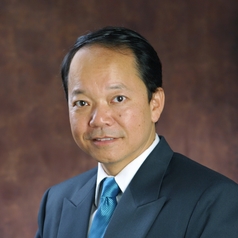 Professor Christopher S. Tang
University of California, Los Angeles
chris.tang@anderson.ucla.edu
Senior Editors
Priyank Arora, University of South Carolina
Ying-Ju Chen, Hong Kong University of Science and Technology (HKUST)
Xin Fang, Singapore Management University
Qi Annabelle Feng, Purdue University
Milind Sohoni, University at Buffalo
Yulan Amanda Wang, Hong Kong Polytechnic University
Wenqiang Xiao, New York University (NYU)
OPERATIONS AND SOCIETY
Mission Statement
The department invites papers that specifically address topics in which operations management can be applied to large societal issues of our times. We welcome all types of research methodologies (empirical, analytical, behavioral). The paper could address issues from the perspective of an individual, for-profit firms, the government or other social planners, however, the key results should highlight the implications for the society at large. We are also interested in work that expands the traditional boundaries of operations management about externalities and equity implications of technology usage and other practices. All manuscripts submitted for review will be expected to show relevance and scientific rigor. The problem studied should be firmly grounded in practice and must be motivated by societal issues including topics such as (but not limited to):
- Agricultural Production, Subsidies and Distribution
- Counterfeiting
- Child Labor and Trafficking
- Education
- Water, Power and Sanitation
- Smart City Operations
- Artificial Intelligence in Operations
- Human-Machine Collaborations
- Global Warming
- Green Energy Operations
- Healthcare Operations and Policies
- Gig Economy Workforce
Department Editor
 Professor Jayashankar M. Swaminathan
University of North Carolina at Chapel Hill
msj@unc.edu
Senior Editors
Hamsa Bastani, University of Pennsylvania
Gemma Berenguer, Universidad Carlos III de Madrid (UC3M), Spain
Maria Besiou, Kühne Logistics University
Soo-Haeng Cho, Carnegie Mellon University
Tinglong Dai, Johns Hopkins University
Sarang Deo, Indian School of Business
Gokce Esenduran, Purdue University
Kejia Hu, Oxford University
Susan Lu, University of Toronto
Sriram Narayanan, Michigan State University
Hubert Pun, Western University
Soroush Saghafian, Harvard University
Nur Sunar, University of North Carolina at Chapel Hill
Yulan Amanda Wang, Hong Kong Polytechnic University
Owen Wu, Indiana University
Yuqian Xu, University of North Carolina-Chapel Hill
OPERATIONS MANAGEMENT DATA ANALYTICS
Mission Statement
With modern technology, data is playing an increasingly important role in daily operations in a wide range of organizations. This trend provides opportunities for not only to explore data to uncover the story behind them, but also to develop new models and methodologies that account for the generation of the data. In many cases, innovative data analytics require bringing together machine learning techniques with stochastic modeling and optimization to efficiently utilize the data and make the best decisions.
We look for innovative contributions to the core of production and operations management by integrating data analytics. This would differentiate the contributions from, for example, pure econometric based data analysis, pure deterministic or stochastic optimization models with predicted inputs, or pure data mining, storage, or computing developments. Significant contributions should emphasize how available information provided by data may invoke alternative ways of modeling and analysis, leading to new operations management models, policies, opportunities and implications.
Though we welcome contributions that make significant theoretical advancement, emphasis should be given to demonstrating the business value of utilizing data in efficient decision making for operations management. Developments for decision making with limited data or changing environment will be particularly valuable. While demonstrating the practicality of the model and methodology developed using real data is always valuable, use of real data is not a must.
Departmental Editor
 Professor J. George Shanthikumar
Purdue University
shanthikumar@purdue.edu
Senior Editors
Gah-Yi Ban, Imperial College, London
Hamsa Bastani, University of Pennsylvania
Boxio (Beryl) Chen, University of Illinois, Chicago
Ningyuan Chen, University of Toronto
Qi (Annabelle) Feng, Purdue University
Tingliang Huang, University of Tennessee
Bora Keskin, Duke University
Sheng Liu, University of Toronto
Mengshi Lu, Purdue University
Cong Shi, University of Miami
Pengyi Shi, Purdue University
Dennis Zhang, Washington University, St Louis
Huanan Zhang, University of Colorado, Boulder
Sean Zhou, Chinese University of Hong Kong
POM-ACCOUNTING INTERFACE
Mission Statement
The department seeks papers that improve our understanding of how operations management impacts and is impacted by accounting institutions and practices. Topics of interest include but are not limited to financial reporting, incentive design, information sharing, internal controls, inventory management, organizational structure, outsourcing, performance measurement, supply chain contracting, taxation, transfer pricing, etc. The department is inter-disciplinary, broad based, and open to submissions utilizing a variety of methodologies (e.g., analytical, experimental, empirical, and survey). Contributors from any field (e.g., accounting, economics, marketing, psychology, operations) are encouraged to submit papers that can foster conversations between researchers and practitioners in accounting and operations.
Departmental Editor

Professor Eva Labro
University of North Carolina at Chapel Hill
Eva_Labro@kenan-flagler.unc.edu
Senior Editors
Mingcherng Deng, Baruch College
Martin Holzhacker, Michigan State University
Shuqing Luo, University of Hong Kong
Gerardo Perez-Cavazos, UC San Diego
Suresh Radhakrishnan, University of Texas at Dallas
Ram N.V. Ramanan, Indian School of Business
Jason Schloetzer, Georgetown University
POM-ECONOMICS INTERFACE
Mission Statement
The Department seeks to publish papers at the interface of operations and economics that use economic modeling tools to study the interactions between cooperative or competitive firms and consumers. Papers that adopt a quantitative approach to analyze problems taking into account uncertainty and/or a dynamic environment are especially encouraged for submission. Topics include (but are not limited to) industrial organization theory as related to strategic interactions between firms which may be influenced by government regulations and/or have policy implications; game theory applications involving cooperative or non-cooperative behavior; contract design problems to provide incentives or to induce revelation of private information using adverse selection, moral hazard, or signaling techniques; procurement auctions; pricing; and consumer behavior. We welcome a wide variety of research methods including applied economic theory. Papers with analytical models accompanied by econometrics/empirical analysis are also encouraged. All published research must meet the high standard of rigor and novelty, and have broad managerial appeal. Questions regarding the suitability of papers for consideration can be directed to the department editor.
Departmental Editor
 Professor Haresh Gurnani
Stony Brook University
Senior Editors
Kenan Arifoglu, University College London
Subramanian Balachander, University of California Riverside
Mehmet Gumus, McGill University
Liang Guo, Chinese University of Hong Kong
Shivam Gupta, University of Nebraska–Lincoln
Ming Hu, University of Toronto
Aditya Jain, Baruch College
Kinshuk Jerath, Columbia University
Oded Koenigsberg, London Business School
Krista J. Li, Indiana University
Elie Ofek, Harvard University
Jeff Shulman, University of Washington
Shubhranshu Singh, Johns Hopkins University
David Soberman, University of Toronto
Ioannis (Yannis) Stamatopoulos, University of Texas at Austin
Shuya Yin, University of California - Irvine
Man Yu, Hong Kong University of Science and Technology
Leon Zhu, Cheung Kong Graduate School of Business
POM-FINANCE INTERFACE
Mission Statement
This department focuses on the interaction of POM both with the internal financial functions of the firm and with external financial markets. The department seeks papers that illuminate the relationships and dependencies between POM and finance and that in particular highlight the ways in which consideration of the interfacing area affects decision making, resource allocation, and behavior.
Example topics include the impact of capital constraints on production and expansion decisions; the roles of operational flexibility and financial contracts in reducing cash flow volatility; the impact of financial distress, taxes, debt, and equity market activity on financial structure and operational decisions; the role of financial and operational actions in resolving issues of information asymmetry and control; the analysis of policies that directly and indirectly affect both operational and financial activity; and the development of novel real options methodology and creative applications thereof, including, but not limited to, the commodity, energy, and high technology industries. The department also welcomes papers that address any other topic in the general scope of the journal in which both operations and finance play significant roles.
The POM-finance Interface department considers papers representing a variety of research paradigms. Suitable papers may, for example, provide an empirical analysis of intra- and inter-firm, industry, sector, and regional data; describe the design and analysis of experiments combining operational and financial considerations; develop new methodologies for assisting in joint operational and financial decision making; and analyze theoretical models of operational and financial interactions.
The major criterion for acceptability is the paper's ability to convey new insights of managerial relevance or to provide innovative decision-making tools with (potential) practical applicability within the scope of the department's mission. Papers should conform to the overall professional standards of general POM submissions. Questions regarding the suitability of papers for consideration can be directed to the department editor.
Departmental Editor
 Professor Sridhar Seshadri
University of Illinois Urbana Champion
sridhar@illinois.edu
Senior Editors
Onur Boyabatli, Singapore Management University
Maqbool Dada, Johns Hopkins University
Burak Kazaz, Syracuse University
Nikolay Osadchiy, Emory University
Jing Wu, Chinese University of Hong Kong
Please click here to learn more details on topics of interest and SEs' areas of interest and expertise.
POM-INFORMATION SYSTEMS INTERFACE
Mission Statement
The department seeks to publish manuscripts that are at the interface of operations and information systems. Topics include (but are not limited to): how information systems serve as enablers and change agents in operations and supply chain management; how information systems impact the efficiency of supply chain; how innovative processes and information (systems) can be effectively used to manage, integrate, and restructure global supply chains; planning and execution of information systems operations; structuring and modeling of software development/maintenance operations; operational issues in information systems security; the value of information in operational decision making; and supply chain integration using information systems.
We welcome a wide variety of research methods including analytical models, econometrics/empirical analysis, and behavioral research. The published manuscripts must meet the high standards of rigor and novelty, and should have broad managerial appeal. They should possess original content with a significant contribution to the OM literature. Theoretical manuscripts should establish why certain decisions are optimal. Domain specific manuscripts need to provide generalizations of existing methods. Methodological manuscripts should clearly establish superiority of new methods over existing ones. Questions regarding the suitability of papers for consideration can be directed to the department editor.
Departmental Editors
 Professor Subodha Kumar
Temple University
subodha@temple.edu
 Professor Asoo J. Vakharia
University of Florida
asoov@ufl.edu
Senior Editors
Xue Bai, Temple University
Achal Bassamboo, Kellogg School of Management
Gangshu Cai, Santa Clara University
Vidyanand Choudhary, University of California, Irvine
Ming Fan, University of Washington
Lin Hao, Fordham University
Yili (Kevin) Hong, University of Miami
Yonghua Ji, University of Alberta
Zhengrui (Jeffrey) Jiang, The Chinese University of Hong Kong, Shenzhen
Paolo Letizia, University of Tennessee
Dengpan Liu, Tsinghua University
Anand Nair, Northeastern University
Paul Pavlou, University of Miami
David Xiaosong Peng, Lehigh University
Liangfei Qiu, University of Florida
Srinivas (Sri) Talluri, Michigan State University
Arvind Tripathi, University of Kansas
Oliver Yao, University of Delaware
Xiaohang Yue, University of Wisconsin-Milwaukee
Quan Zheng, University of Science and Technology of China
POM-MARKETING INTERFACE
Mission Statement
The department seeks to publish manuscripts that address the synergy between operations and marketing. Papers that fit four broad themes: shaping demand for operations and vice versa, trading off market opportunities with operations complexity, operations response to disruptions, and managing relationships are of particular interest. This would include (but not limited to) topics such as building capabilities, flexibility, emerging markets OM, life-cycles, preference mapping and variety, design and development, pricing and procurement, disruptions and inventory, JIT and just-in-case, due dates, capacity trading, customer service and fulfillment, demand decoupling and postponement, and customer/supplier relationships.
Manuscripts should address important research problems and help stimulate future research. They should also be well executed, and be technically flawless. The articles may draw upon quantitative/qualitative modeling, data analysis, simulation, and applications. Irrespective of the research methodology, manuscripts must display rigor and managerial relevance. Content must be original with significant contributions to OM and marketing. Theoretical manuscripts should establish why certain decisions are optimal. Domain specific empirical manuscripts need to provide generalization of methods and results. Methodological manuscripts should clearly establish superiority of new methods over existing ones.
Departmental Editors
 Professor Haitao (Tony) Cui
University of Minnesota
tcui@umn.edu
 Professor Praveen Kopalle
Dartmouth College
praveen.k.kopalle@tuck.dartmouth.edu
Senior Editors
Jian Chen, Tsinghua University
Izak Duenyas, University of Michigan
Hans Heese, North Carolina State University
Ming Hu, University of Toronto
Sanjay Jain, University of Texas at Dallas
Baojun Jiang, Washington University in St. Louis
P. K. Kannan, University of Maryland
Oded Koenigsberg, London Business School
Vineet Kumar, Yale University
Xi Li, University of Hong Kong
Lan Luo, University of Southern California
Prasad Naik, University of California, Davis
Xin (Shane) Wang, Virginia Tech
Wenqiang Xiao, New York University
Xuying Zhao, Texas A&M University
REVENUE MANAGEMENT AND MARKET ANALYTICS
Mission Statement
The Revenue Management and Market Analytics (RM/MA) Department welcomes research that uses operations research, machine learning, data-driven, econometrics, behavioral, and analytics tools to study business decision problems, especially those (though not limited to) that concern managing demand in the presence of limited supply. The scope of the department spans traditional areas of pricing and capacity management, such as transportation and hospitality, and emerging applications in retail, healthcare, web advertising, social network, sharing economy, online platforms, etc. Recent developments in the field have also considered other control variables and/or features besides pricing and capacity management such as product assortment, display ranking, information structure, data privacy, optimal matching, algorithmic bias and transparency, and fairness.
Submitted papers are expected to disseminate innovative research that pushes the boundary of existing body of knowledge in the literature. They can be (but are not limited to) (i) novel applications of revenue management ideas and/or techniques in traditional or emerging application domains, (ii) economic models that yield important managerial insights, (iii) methodological contribution to the existing or new problems, and (iv) behavioral and/or empirical studies that validate existing theory and/or examine market phenomena. Due to the complexity and interdependency of many real-world business decision problems, we also encourage submissions that explore the interplay between revenue management and other related areas such as manufacturing, service operations, supply chain management, and marketing, to mention a few.
Above all, papers need to be well written, make a significant contribution to the POM field, be methodologically sound, and be of practical relevance.
Departmental Editor
 Professor Stefanus Jasin
University of Michigan, Ann Arbor
sjasin@umich.edu
Senior Editors
Aydin Alptekinoglu, Pennsylvania State University
Boxiao (Beryl) Chen, University of Illinois Chicago
Ningyuan Chen, University of Toronto
Ruomeng Cui, Emory University
Yao Cui, Cornell University
Arnoud V. den Boer, University of Amsterdam
Jacob Feldman, Washington University in St. Louis
Velibor Misic, University of California, Los Angeles
Selva Nadarajah, University of Illinois Chicago
Robert L. Phillips, Nomis Solutions
Paat Rusmevichientong, University of Southern California
Cong Shi, University of Miami
Huseyin Topaloglu, Cornell University
Ruxian Wang, Johns Hopkins University
Zizhuo Wang, The Chinese University of Hong Kong, Shenzhen
Huanan Zhang, University of Colorado Boulder
SERVICE OPERATIONS MANAGEMENT
Mission Statement
There is an ever-increasing need to improve management principles and theory on designing and managing service operations. Advances in information and communications technology hastened the startling pace of service product and process advances, globalization of services, the heterogeneity and complexity of customer demands, and entry of non-traditional service providers. Yet despite the size and growth of the service sector in industrialized economies, productivity has improved only slightly in recent decades. Additionally customer expectations for faster, better, cheaper services are rising. These are but a few examples of environmental, contextual, and competitive factors that are altering the landscape of service enterprises.
The Service Operations Management (SOM) Department is seeking leading-edge, rigorous research that expands the scientific knowledge base of services management from an operations management lens, and at the same time is relevant to practice. With this scope, we seek articles that build and test theory in SOM and provide managerial insights on the design, delivery, and performance assessment of services. Theory-based conceptual studies and interdisciplinary submissions are also encouraged and articles may cover either strategic or tactical problems. Submissions should be grounded in practice and be motivated by SOM issues faced by practicing managers, their companies or the service sector. Research methodologies may vary from analytic optimization, economic analyses, simulation and empirical techniques, which span survey-based to case-based studies. Regardless of the research approach taken, all submissions must pass the highest standards for scholarly work. Examples of topics that fall into the SOM Department include:
- Service technology management including: the use of the Internet for e-commerce (B2B) and e-services (B2C), self-service and process technologies, and technology mediated customer contacts
- Behavioral and psychological aspects of service management including: management of professionals and knowledge workers, employee-customer interfaces, design for experiences, delivering personalized services, and servicescape effectiveness
- Yield management, DEA, discreet choice modeling, and other analytical approaches to managing and designing services
- Service supply/value chains design including: customer-supplier relationships, managing uncertainty, franchising, outsourcing, shared services, purchasing, and configurations of facilities and networks
- Service-based manufacturing, including service factories and after-sales service
- Performance and value measurement including: economics of services, customer satisfaction and loyalty
- Managing service encounters including: blueprinting, failsafing, service guarantees, and service recovery
- Service innovations and new service design and development
- Interface between SOM and other functions including, marketing and human resources
- Capacity planning including: queuing, scheduling, forecasting, and trade-offs in balancing supply and demand
- Service sector applications including: financial services, retail services, health care, hospitality, catalogue, and industrial services
- Service quality, customer orientation, and continuous improvement
- Service operations strategy including: strategic planning; strategy content and execution, service delivery channel strategies, pricing, SOM competitiveness, service configurations and taxonomies
- Globalization of services including: industrialized and emerging markets, multicountry expansion, and cross-cultural issues.
Departmental Editors
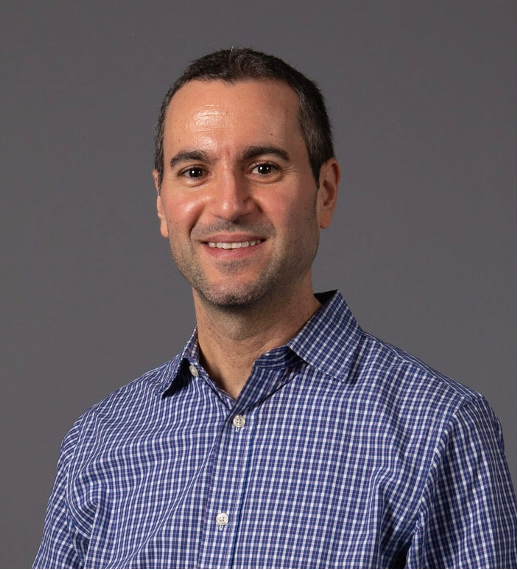 Professor Maxime Cohen
McGill University
maxime.cohen@mcgill.ca
 Professor Michael Pinedo
New York University
mpinedo@stern.nyu.edu
Senior Editors
Ryan Buell, Harvard Business School
Craig Froehle, University of Cincinnati
Wendell Gilland, University of North Carolina-Chapel Hill
Harry Groenevelt, University of Rochester
Pengfei Guo, City University of Hong Kong
Dorothee Honhon, University Texas at Dallas
Kejia Hu, Oxford University
Warut Khern-am-nuai, McGill University
Martin Lariviere, Northwestern University
Sentao Miao, University of Colorado Boulder
Mahesh Nagarajan, University of British Columbia
Baozhuang Niu, South China University of Technology
Pengyi Shi, Purdue University
Rob Shumsky, Dartmouth College
Terry Taylor, University of California, Berkeley
Sriram Venkataraman, University of South Carolina
Guohua Wan, Shanghai Jiao Tong University
Yuqian Xu, University of North Carolina-Chapel Hill
Can Zhang, Duke University
Renyu (Philip) Zhang, The Chinese University of Hong Kong
SPECIAL RESPONSIBILITIES
Departmental Editors
 Professor Hau L. Lee
Stanford University
haulee@stanford.edu
 Professor Aleda V. Roth
Clemson University
ARoth@Clemson.Edu
 Professor Suresh P. Sethi
University of Texas at Dallas
sethi@utdallas.edu
 Professor David Simchi-Levi
MIT
dslevi@mit.edu
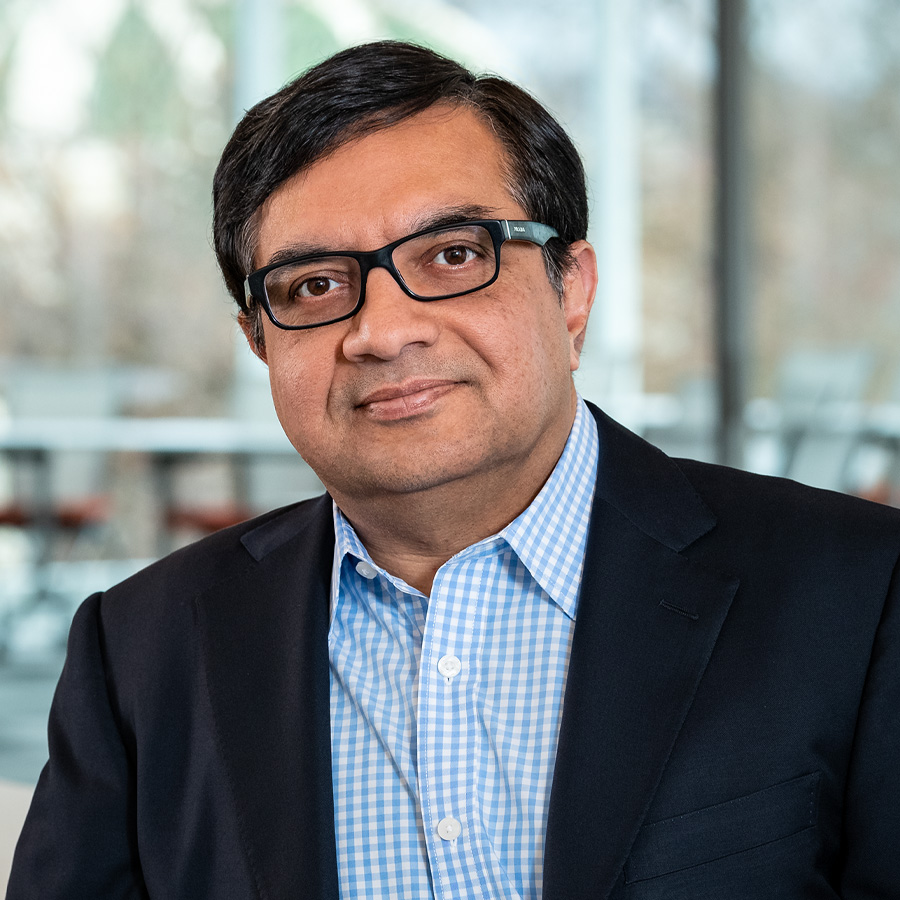 Professor Sridhar R. Tayur
Carnegie Mellon University
stayur@cmu.edu

Professor Luk Van Wassenhove
INSEAD
luk.van-wassenhove@insead.edu
Senior Editors
Tao Li, Santa Clara University
SUPPLY CHAIN MANAGEMENT
Mission Statement
The rise of global markets and increasingly virtual companies has focused both management and academic attention on competition among supply chains. The Supply Chain Management Department considers the operational challenges of managing product, information, and financial flows across organizations and customers. We seek papers that present leading-edge research on this rapidly evolving topic. The possible paper topics are vast " for example:
- Inventory management
- Supply chain coordination
- Integrated supply chain planning
- Sourcing relationships and strategy
- Supply chain design and facility location
- Organization of the supply chain function
- Managing product variety in supply chains
- Coordination of product and supply chain design
- The role of information technology in supply chain coordination
- Logistics, order fulfillment and distribution
- Supply chain risk management
- Channel management.
Manuscripts submitted for review will be expected to display both managerial relevance and scientific rigor. In particular, the problem studied must be firmly grounded in practice and must be motivated by issues faced by a firm or an industry. Research that deals with more than one entity is encouraged. Research focused on traditional operations topics such as shop floor scheduling, quality control, manufacturing flexibility will not be considered unless a compelling connection to supply chain management is provided. All research methods will be considered, but manuscripts must pass the highest standard of scientific rigor in terms of methods and analysis.
Departmental Editors
 Professor Lingxiu Dong
Washington University in St. Louis
dong@wustl.edu
 Professor Albert Ha
Hong Kong University of Science and Technology
imayha@ust.hk
 Professor M. Eric Johnson
Vanderbilt University
m.eric.johnson@owen.vanderbilt.edu
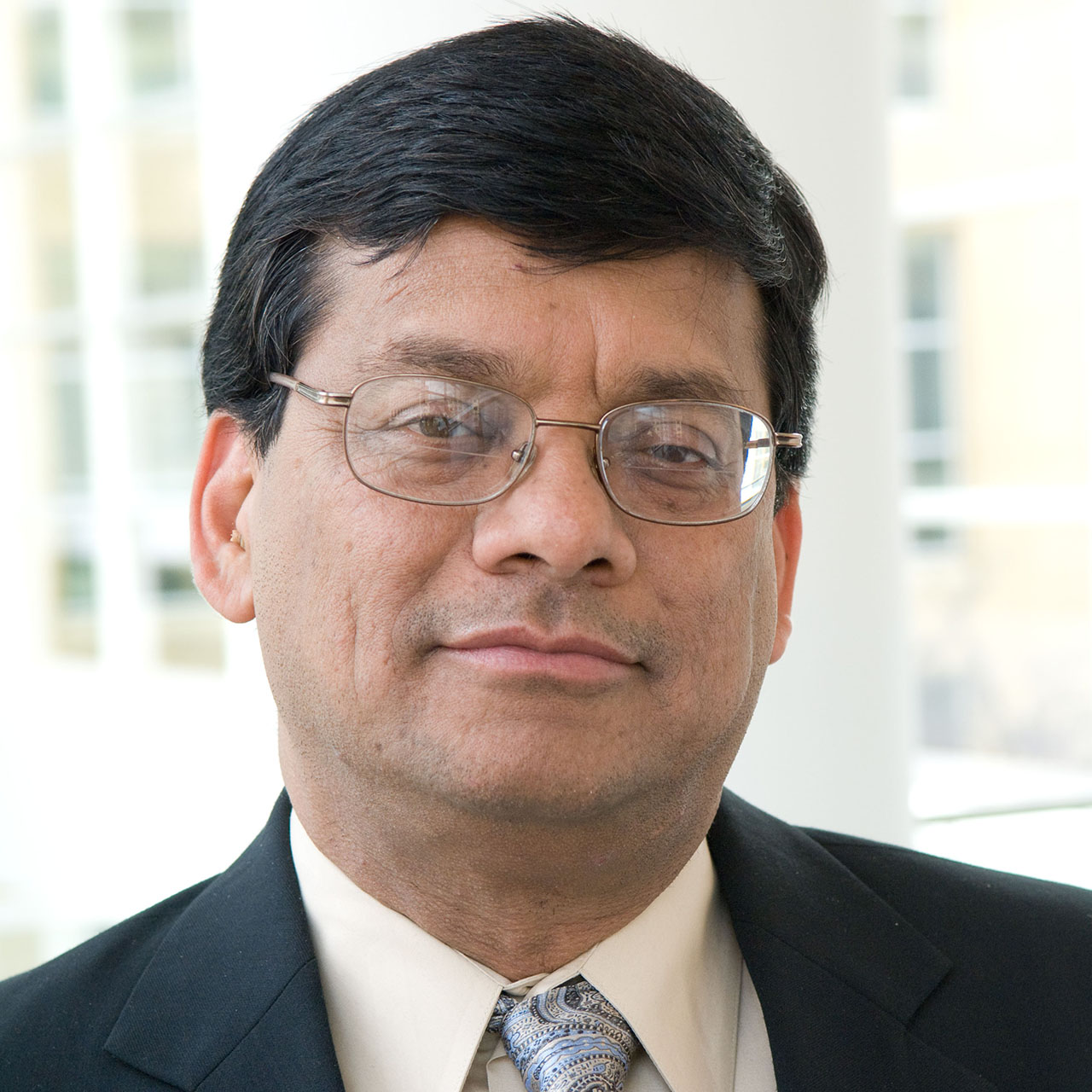 Professor Vinod Singhal
Georgia Institute of Technology
vinod.singhal@scheller.gatech.edu
Senior Editors
Gad Allon, Northwestern University
George Ball, Indiana University
Gemma Berenguer, Universidad Carlos III de Madrid (UC3M), Spain
Shi Chen, University of Washington
Vinayak Deshpande, University of North Carolina
Gokce Esenduran, Purdue University
Steve Gilbert, University of Texas at Austin
Xiaomeng Guo, Hong Kong Polytechnic University
Hans Heese, North Carolina State University
Saravanan Kesavan, University of North Carolina
Harish Krishnan, University of British Columbia
Mumin Kurtulus, Vanderbilt University
Guoming Lai, University of Texas at Austin
Lauren Xiaoyuan Lu, Dartmouth College
Brent B. Moritz, Pennsylvania State University
Sriram Narayanan, Michigan State University
Nikolay Osadchiy, Emory University
Ali Parlakturk, University of North Carolina
Kumar Rajaram, UCLA
Saibal Ray, McGill University
Weixin Shang, Lingnan University
Masha Shunko, University of Washington
Milind Sohoni, University at Buffalo
Greys Sosic, University of Southern California
Nur Sunar, University of North Carolina
Doug Thomas, University of Virginia
Shilu Tong, The Chinese University of Hong Kong, Shenzhen
Andy A. Tsay, Santa Clara University
Veronica H. Villena, Arizona State University
Rowan Wang, Southern University of Science and Technology
Jing Wu, Chinese University of Hong Kong
S. Alex Yang, London Business School
Shuya Yin, University of California, Irvine
Hongtao Zhang, Hong Kong University of Science and Technology
Rachel Zhang, Zhejiang University
SUSTAINABLE OPERATIONS
Mission Statement
The department invites papers based on the triple concern of 'People-Planet-Profit'. We believe that research in sustainable operations should be based on solid principles such as making a profit in order to be economically sustainable. However, it has become increasingly clear that global supply chains (which include both manufacturing and service activities) become more global and expansive, also need to pay attention to the well-being of people and the planet, i.e., supply chains should strive for sustainability in a wider sense. Hence, the motivation of this department is based on the growing opportunities stemming from the people-profit-planet view of sustainability and the obvious intersections with operations and supply chain management. Paper topics are potentially unlimited, but include the following examples:
- Interfaces between operations management and environmental impact (industrial ecology, lifecycle analysis)
- Product recovery and take-back issues (reverse logistics, consumer returns, remanufacturing, closed-loop supply chains)
- Lifecycle approaches to design, production and supply chain management
- Environmental sustainability and social responsibility in supply chains, including sustainable sourcing
- Environmental legislation
- Renewable energy, energy efficiency, and energy conservation
- Sustainable business models such as circular economy, servicizing and others.
- Sustainable product and process innovation
It is important that the topic of the submitted paper is not recognized as part of established mainstream research in other Departments yet, otherwise the paper should be submitted to the appropriate specialized Department. Authors are requested to motivate why their paper is being submitted to this "Sustainable Operations" Department.
All manuscripts submitted for review will be expected to show managerial relevance and scientific rigor. The problem studied should be firmly grounded in practice and must be motivated by issues faced by a firm or industry. Authors are encouraged to motivate clearly and convincingly why the particular problem they study is innovative and important to both industry and academia.
The Department is open to all research methods provided the analysis in the paper shows a sound methodological base.
Departmental Editors

Professor Karen Donohue
Arizona State University
Karen.Donohue@asu.edu

Professor Nicholas C Petruzzi
University of Wisconsin-Madison
npetruzzi@wisc.edu
Senior Editors
James Abbey, Texas A&M University
Atalay Atasu, INSEAD
Tamer Boyaci, ESMT Berlin
Suvrat Dhanorkar, Pennsylvania State University
Mahyar Eftekhar, Arizona State University
Gokce Esenduran, Purdue University
Michael Galbreth, University of Tennessee
Luyi Gui, UC Irvine
Manpreet Hora, Georgia Institute of Technology
Basak Kalkanci, Georgia Institute of Technology
Robert D. Klassen, University of Western Ontario
Tim Kraft, NC State University
Deishin Lee, University of Western Ontario
Michael K. Lim, Seoul National University
Suresh Muthulingam, Pennsylvania State University
Gil Souza, University of Tennessee, Knoxville
Ravi Subramanian, Georgia Institute of Technology
Nur Sunar, University of North Carolina (UNC) at Chapel Hill
Necati Tereyagoglu, University of South Carolina
Owen Wu, Indiana University
Eda Kemahlioglu Ziya, NCSU
TOPICS NOT COVERED IN ANY OTHER DEPARTMENT
Mission Statement
The various departments of Production and Operations Management (POM) accept papers on a wide range of research topics. The members of this department nonetheless recognize that some new topics, areas of research, or methodologies might not fit the defined scope of any other department. In this department, we welcome those submissions for consideration. In their cover letter, any author submitting to this department will be required to state explicitly why their research paper lies within the scope of the journal, as well as why it is not within the scope of its other departments.
We encourage authors to consult with the department editor(s) before submitting, although we do not require them to do so. We may redirect to other departments any papers that we feel fit there. All departments use the same review process.
Departmental Editors
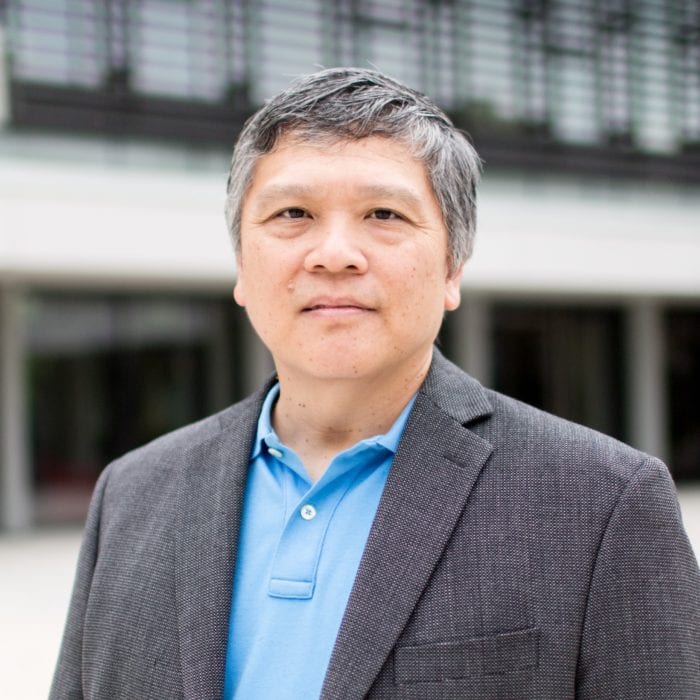 Professor M. Johnny Rungtusanatham
University of Cincinnati
rungtums@ucmail.uc.edu
 Professor Kalyan Singhal
University of Baltimore
ksinghal@ubalt.edu

Professor Chelliah Sriskandarajah
Texas A&M University
chelliah@mays.tamu.edu
Senior Editors
Elodie Adida, University of California at Riverside
Nezih Altay, DePaul University
Volodymyr Babich, Georgetown University
Anant Balakrishnan, University of Texas at Austin
Nagraj (Raju) Balakrishnan, Clemson University
Kurt M. Bretthauer, Indiana University
Thomas Choi, Arizona State University
Tsan-Ming Choi, University of Liverpool Management School, UK
Karlene C. Cousins, Florida International University
Shiliang (John) Cui, Georgetown University
Guven Demirel, Queen Mary University of London
Yan Dong, University of South Carolina
Don Eisenstein, University of Chicago
Reza Zanjirani Farahani, Rennes School of Business, France
Jan C. Fransoo, Tilburg University
Soumen Ghosh, Georgia Institute of Technology
Paulo Gonçalves, Università della Svizzera Italiana
Erica L. Gralla, George Washington University
Shu He, University of Florida
Qiaohai Joice Hu, Purdue University
Tingliang Huang, University of Tennessee
Arnd Huchzermeier, WHU Koblenz, Germany
Woonghee Tim Huh, University of British Columbia
Peter Kolesar, Columbia University
Gyöngyi Kovács, Hanken School of Economics
V. Kumar, Brock University
Guoming Lai, University of Texas at Austin
Michael Lapre, Vanderbilt University
Meng Li, University of Houston
Lauren Xiaoyuan Lu, Dartmouth College
Radha Mookerjee, University of Texas at Dallas
Ram Narasimhan, Michigan State University
Carlos M. Parra, Florida International University
Anyan Qi, University of Texas at Dallas
K. Ravikumar, University of Southern California
Peter W. Robertson, University of Wollongong
Nadia Sanders, Northeastern University
Roger Schmenner, Indiana University
Bala Shetty, Texas A&M University
Rick So, University of California, Irvine
ManMohan S Sodhi, City, University of London
Mark Spearman, Factory Physics, Inc.
Kwei Tang, National Chengchi University
Manoj Tiwari, NITIE Mumbai
Chris Voss, London Business School
Tina Wakolbinger, WU (Vienna University of Economics and Business)
Ruxian Wang, Johns Hopkins University
Peter Ward, Ohio State University
Scott Webster, Arizona State University
Lu (Lucy) Yan, Indiana University
Onesun Steve Yoo, UCL School of Management
Zhe George Zhang, Western Washington University/Simon Fraser University
Xiande Zhao, China Europe International Business School
Yunxia (Peter) Zhu, University of Nebraska-Lincoln